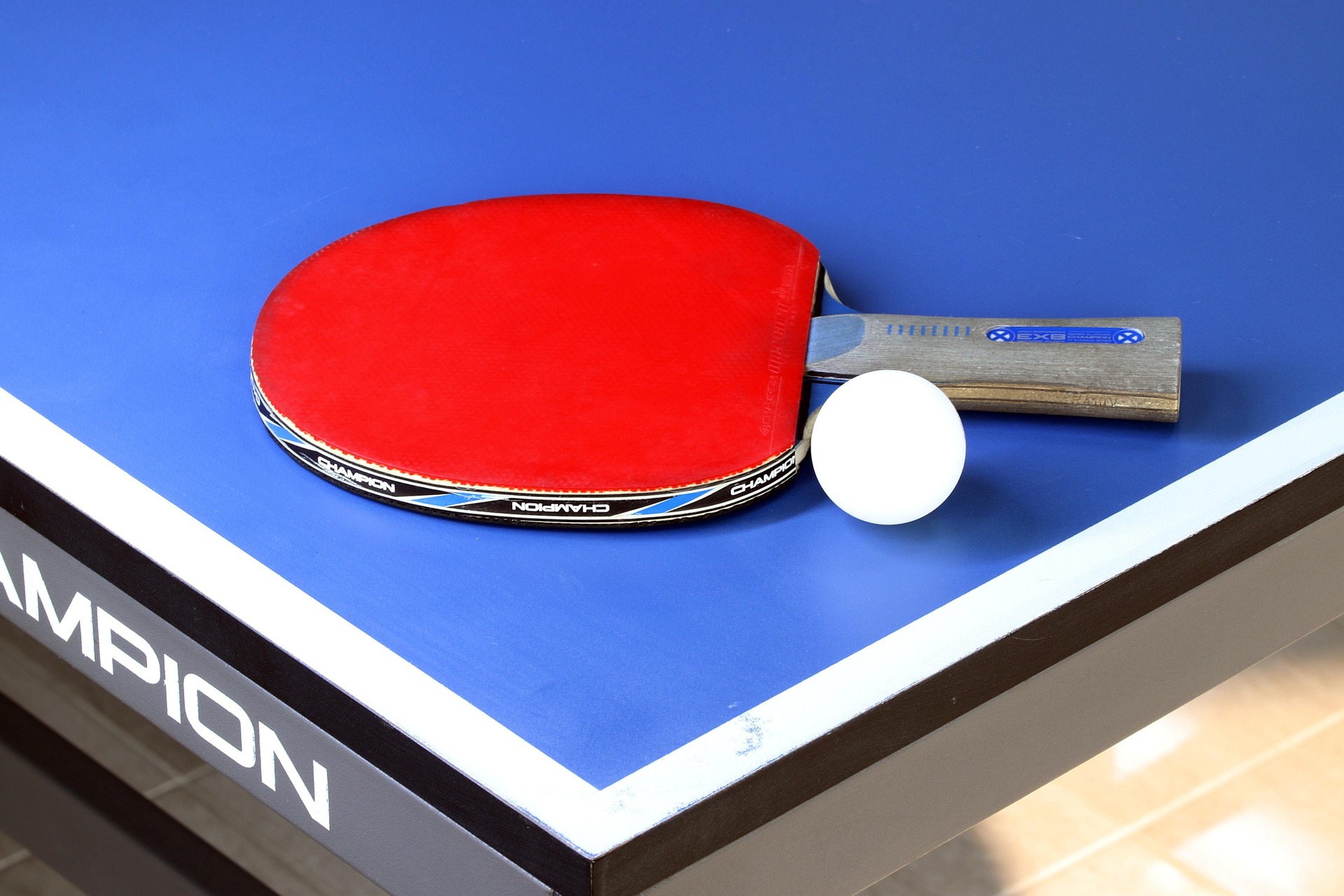
Choosing the right table tennis racket is crucial for developing consistent technique and enjoying the game as a beginner. This guide covers essential racket features like blade types, rubber, and sponge hardness tailored to beginner needs. We will also provide top beginner racket recommendations to help you start your table tennis journey confidently.
Understanding the Basics: What Makes a Good Beginner Racket?
Blade Composition and Its Impact on Control and Speed
The blade is the foundation of any racket, made from layers of wood or composite materials. For beginners, a blade composition emphasizing control is preferable over outright speed. This typically involves 5 to 7 layers of wood, sometimes combined with a thin carbon layer to add a bit of rigidity without sacrificing feel. A well-balanced blade aids in developing technique for strokes like the topspin and backhand loop, allowing players to gain confidence in timing and placement.
Rubber Types: Inverted, Pips-Out, and Anti-Spin Explained
Rubber selection greatly influences how a ball reacts on contact. The most common types are:
- Inverted rubber: Smooth surface that provides excellent spin and control, ideal for beginners building stroke variety and spin awareness.
- Pips-out rubber: Short pips are less sensitive to opponent spin, making returns easier, but offer less spin generation for offensive shots.
- Anti-spin rubber: Mainly used in defensive play, it produces unpredictable ball behavior but is less common for beginners learning basics.
For most beginners, inverted rubber offers the best balance for learning spin generation and developing rally consistency.
Sponge Hardness and Dwell Time for Beginners
The sponge layer beneath the rubber impacts ball dwell time—how long the ball stays on the racket surface. Softer sponges increase dwell time and control, allowing spins to develop more easily, whereas harder sponges offer faster rebound and speed but require precise timing. Beginners benefit from moderate sponge hardness to reliably generate spin without losing control, easing the learning curve.
Weight and Balance Considerations
A lightweight racket around 160-180 grams allows beginners to react quickly and maintain good footwork without fatigue. Balance is equally important; evenly balanced blades provide more predictable stroke mechanics. Avoid overly heavy rackets early on as they can hamper quick adjustments and technique development.
Key Features Beginners Should Prioritize
Control vs. Speed: Why Control Matters More Early On
Control allows beginners to place shots accurately and build confidence. Prioritizing control over speed helps avoid early frustration from missed shots, enabling focus on developing a solid stroke and learning variations like short game pushes or the serve receive. Speed can be gradually introduced as skill improves.
Moderate Sponge Thickness for Reliable Spin Generation
Sponge thickness typically ranges from 1.5 to 2.0 mm for beginners, providing a reliable balance between spin production and control. Too thick a sponge may generate speed that is difficult to handle, while too thin may lack spin potential, limiting shot variety.
Comfortable Handle Types and Grip Styles
Hold comfort enhances stroke execution. Common handle types include:
- Shakehand: Popular worldwide, suits a versatile, all-round style.
- Penhold: Favored in Asia, good for quick wrist action close to the table.
Beginners should choose a handle that feels natural to their hand size and playing style. For guidance on grip types, our comprehensive guide to grips offers detailed insights.
Durability and Maintenance for New Players
Beginners should select rackets with rubber that can withstand regular practice and simple maintenance. Durable rubber with moderate tackiness avoids frequent replacements. Regular cleaning preserves rubber quality and prolongs performance over time.
How Playing Style Influences Racket Choice
Defensive Beginners: Prioritizing Control and Spin
Defensive players aiming to counterattack and sustain rallies benefit from rackets with softer blade compositions and tacky inverted rubbers that increase dwell time and spin maintenance. Features that facilitate a controlled short game help contain opponents’ attacks.
Offensive Beginners: Managing Speed Without Losing Control
Offensive players looking to develop powerful forehand topspin or backhand loop strokes should select blades with a bit more stiffness and medium-hard sponge that add speed but retain sufficient control. This setup supports development of timing for fast drives and loop shots.
Allround Style: Versatility in Blade and Rubber
Players seeking adaptability benefit from tools that balance control, spin, and moderate speed. A typical allround racket with 5-ply wood blade and 1.8mm sponge inverted rubber suits a variety of strokes and playing scenarios.
Top Table Tennis Rackets Recommended for Beginners
Mid-Range Options With Balanced Control and Spin
Mid-range rackets around 50-80 USD often provide excellent blade composition and rubber quality designed for beginners to intermediate players. These feature balanced weight, moderate sponge thickness, and good rubber grip to promote topspin and control development.
Budget-Friendly Rackets That Don’t Compromise Quality
Many reputable brands offer budget beginner rackets with pre-assembled inverted rubber and solid wood blades. These options emphasize durability and control, making them a practical choice to start with before upgrading blade or rubber individually.
Starter Sets vs. Individual Racket Purchases
Starter sets include rackets, balls, and sometimes a case. While convenient and cost-effective, they may sacrifice some quality in blade or rubber. Individual purchases allow customization based on play style and preferences, though require knowledge of blade composition and rubber characteristics.
Customizing Your Beginner Racket: When and Why to Upgrade
Changing Rubber for Improved Spin and Speed
As technique and confidence grow, replacing rubber with tensor or higher quality inverted types can enhance spin and speed ability. This upgrade supports advanced strokes like aggressive topspin loops and varied serves. For more details on rubber maintenance and replacement, see our guide on how often to change table tennis rubbers.
Adjusting Sponge Thickness and Hardness
Modifying sponge characteristics helps tailor racket response to the player’s evolving style—thinner softer sponge improves control, thicker harder sponge increases pace. Experimentation aids in fine-tuning racket feel.
Selecting Different Blade Materials Over Time
Advanced players may move to blades with carbon or other composites for faster rebound and greater rigidity. Transitioning gradually from all-wood to composite blades enables adaptation without losing foundational timing and control.
Tips for Maintaining Your Beginner Table Tennis Racket
Cleaning and Protecting the Rubber Surface
Regularly clean the rubber with water and soft cloth or specialized cleaners to remove dust and oils that degrade grip. Use protective films after practice to preserve tackiness and prolong racket life.
Proper Storage to Preserve Blade Integrity
Store rackets in cases to avoid moisture and impact damage. Avoid exposure to direct sunlight or extreme temperatures, which can warp the blade and degrade rubber performance.
Recognizing When It’s Time to Replace Parts
Replace rubber when it loses tackiness or becomes cracked, usually after several months of frequent play. Replace the blade if it shows warping, cracking, or significant loss of feel.
Conclusion
- Selecting a beginner-friendly racket with balanced control and spin will accelerate skill development.
- Understanding blade and rubber characteristics helps in making informed equipment choices.
- Starting with a quality mid-range or budget racket designed for beginners offers great value.
- Regular maintenance ensures your racket performs optimally as you improve your game.