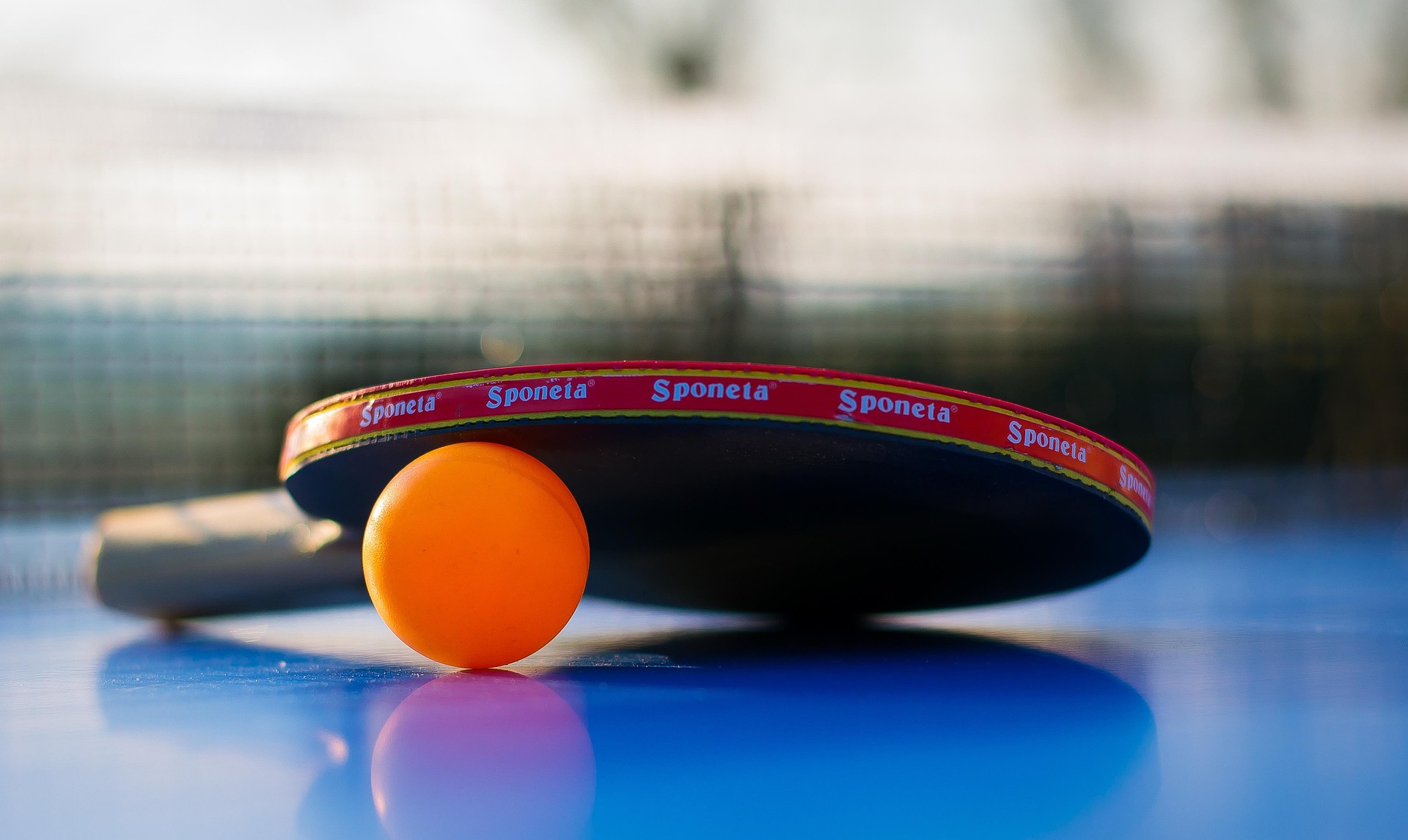
Choosing the right table tennis racket is crucial for intermediate players aiming to improve technique and consistency. Intermediate players require rackets that balance control, spin, and speed to complement developing skills like backhand loops and serve receive. This guide breaks down key factors such as blade composition, rubber characteristics, and racket customization suitable for intermediate level play.
Understanding the Needs of Intermediate Players
Defining the intermediate playing style and skill set
Intermediate players typically have a solid grasp of basic strokes such as forehand and backhand drives and are developing advanced techniques like the backhand loop and more varied serve receive. Their style is often characterized by increased use of topspin, better footwork, and tactical shot placement. They seek equipment that supports these evolving skills without overwhelming them with excessive speed or spin.
Common challenges faced by intermediate players in racket selection
At this stage, players often struggle to find rackets that provide sufficient speed without sacrificing control. Some blades may feel too fast, reducing dwell time, thus making it harder to master spin-heavy shots. Rubber options can also be confusing: choosing between inverted or pips-out rubber, selecting sponge hardness, and understanding their combined effect on gameplay can impact improvement.
Importance of balancing speed, spin, and control
Finding a racket that harmonizes these three aspects—speed, spin, and control—is paramount. Intermediate players benefit most from rackets offering moderate blade speeds, +tensor rubbers that amplify spin potential, and a balanced throw angle for versatile shot-making. Such combinations improve consistency and foster confidence during complex strokes.
Key Components of a Table Tennis Racket
Blade composition and its effect on dwell time and feedback
Blade composition significantly influences ball dwell time and tactile feedback. Multiple layers of wood combined with composite materials like carbon can increase stiffness and speed but typically reduce dwell time, offering less ball control. Intermediate players should prefer blades with a balanced 5 to 7-ply wood setup to retain touch for developing spins while providing some added speed for offensive shots.
Rubber types: inverted, pips-out, and anti-spin
The choice of rubber is crucial. Inverted rubber with a smooth surface allows for greater spin generation, ideal for topspin and loop drives. Pips-out rubber offers faster block and hit capabilities with less spin sensitivity, suiting players favoring quick counterattacks or disruptive play styles. Anti-spin rubber reduces opponent spin effects but is less common at the intermediate level. Most intermediate players favor high-quality inverted or short pips rubbers depending on their style.
Sponge thickness and hardness impact on speed and spin
The sponge beneath the rubber affects speed and spin capacity. Thicker sponges (around 1.9-2.1 mm) generally increase speed and spin but demand better timing and technique. Softer sponges enhance control and increase ball dwell time, helping with heavy spin generation. Intermediate players often benefit from medium hardness sponges to balance these factors.
Handle types and grips for improved maneuverability
Handle shape and grip influence comfort and racket maneuverability. Common types include straight, flared, and anatomical handles. Selecting a grip that fits your hand size and playing preference improves stroke precision and reduces fatigue. For detailed grip guidance, our comprehensive guide to grips is an excellent resource.
Features to Look for in a Table Tennis Racket for Intermediate Players
Optimal blade speed categories for intermediate players
Intermediate players should aim for blades categorized as medium-speed to medium-fast. These blades allow development of aggressive strokes while keeping enough control for reliable placement. Too fast blades can reduce dwell time, harming spin development, whereas too slow blades might restrict offensive potential.
Rubber characteristics: tensor rubber advantages and spin potential
Tensor rubbers are engineered to enhance speed and spin through internal spring-like tension. For intermediates, tensor rubber offers an excellent spin boost on loops and serves, facilitating progression in the short game and topspin strokes. Their high elasticity combined with suitable sponge hardness delivers a dynamic feel without compromising control excessively.
Balanced throw angle for versatile loop and drive play
A racket’s throw angle influences ball trajectory off the blade. A balanced throw angle supports both looping with heavy topspin and flatter drives, making it versatile for a range of shots. Intermediate players should select rackets with moderate throw angles to develop an adaptable game suited for different opponents and playing conditions.
Durability and maintenance considerations
Durability matters as intermediate players train intensely. Look for rackets with long-lasting rubber that maintains tackiness and sponge resilience with regular cleaning. Blade composition should resist warping and sustain impact stresses. Proper maintenance—cleaning rubbers and storing rackets in protective cases—helps preserve performance.
Top Recommended Table Tennis Rackets for Intermediate Players
Overview of popular and trusted racket models
Popular intermediate rackets include models that blend quality blade wood with modern tensor rubbers. Brands offering stable, consistent blades paired with mid-thickness sponge rubbers scoring well in reviews are consistent favorites among intermediate club players. These rackets generally weigh around 170-190 grams, featuring ergonomic handles and durable coverings.
Comparison of specs, pros, and cons
- Blade composition: 5–7 ply wood with or without carbon layers for varied stiffness.
- Sponge thickness: 1.8–2.1 mm for balanced speed and spin.
- Rubber types: high-quality inverted tensor rubber for spin, or short pips for punchy play.
- Weight: 170–190 grams supporting quick footwork and maneuverability.
Some rackets emphasize control over speed to assist with developing consistency on technical shots like the backhand loop, while others favor slightly faster surfaces for aggressive topspin play.
Price ranges and value for money
Intermediate rackets typically range between $80 and $150 USD. Investing within this range usually delivers superior components compared to beginner rackets, including premium rubber and blade wood, providing a noticeable performance boost. Selecting a racket with options for later customized rubber replacement offers good long-term value.
How to Customize Your Racket for Improved Performance
Choosing the right rubber sheets and blade combinations
As skills advance, combining different blade compositions with tailored rubber sheets becomes pivotal. For instance, pairing a slightly stiffer blade with softer sponge inverted rubber can improve speed while maintaining control. Alternatively, defensive players might select blades with softer feel and pips-out rubbers for spin variation and disruption.
Tips on changing sponge hardness based on playing style
Players favoring offensive topspin loops may benefit from moderately hard sponges to maximize rebound speed and spin. Those focusing on precision and control often select softer sponges, increasing ball dwell time for enhanced placement accuracy. Experimenting with sponge hardness helps fine-tune responses to different shots and improve serve receive techniques.
Effect of customization on specific shots like backhand loops and serves
Customized rackets allow players to accentuate strengths such as powerful backhand loops by optimizing rubber tackiness and blade stiffness. Similarly, tailoring rubber selection can improve serve quality by enhancing spin variation and speed, challenging opponents during serve receive. Custom setup enables targeted technical progress, especially crucial for intermediate players refining strategic shot-making.
Tips for Maintaining Your Table Tennis Racket
Cleaning and storing rubber surfaces to preserve tackiness
Regular cleaning of rubber surfaces with water or specialized cleaners removes dust, oils, and debris that degrade tackiness critical for spin generation. Use protective films during storage to maintain rubber condition and avoid exposure to extreme temperatures or direct sunlight, which can cause rubber to harden or crack.
Replacing rubbers and blades when to upgrade
Rubber typically lasts between 6–12 months depending on frequency of use. Replace when tackiness fades noticeably or sponge hardens, impairing spin and control. Blades need replacement less often, usually only when warped or damaged. Upgrading rubber is the most common and cost-effective way to improve racket performance without buying a new blade. For more details on timing, see our guide on how often to change table tennis rubbers.
Recognizing signs of wear impacting performance
Worn rubbers become slick, reducing spin potential and control. Cracks, bubbles, or hardening on the surface signal time for change. Blades that lose responsiveness or develop surface damage compromise strokes. Monitoring these signs helps maintain consistent performance and avoid training setbacks.
Buying Tips: Where and How to Purchase Your Intermediate Table Tennis Racket
Online vs. specialty store purchases
Buying online offers wide model selection and price comparison but lacks hands-on feel before purchase. Specialty stores allow players to try rackets and seek expert advice, invaluable when choosing handle shape or balancing weight. Combining both—research online then test in-store—is often the best approach.
Trying out rackets before buying: demo policies and advice
Some stores or clubs offer demo rackets for test play, allowing assessment of blade speed, control, and rubber feel. Taking advantage of demo options can prevent mismatches and buyer’s remorse. Focus on how the racket supports your developing footwork and stroke consistency.
Understanding return policies and warranties
Ensure the seller offers a reasonable return window in case the racket doesn’t meet expectations in actual play. Warranties on blades or rubbers protect against manufacturing defects. Reading policies carefully provides purchase confidence and safeguards investment.
Conclusion
- Selecting the best table tennis racket for intermediate players requires understanding your evolving skill needs and playing style.
- Prioritize rackets that offer a balanced combination of spin, speed, and control to support your technical growth.
- Regular maintenance and timely upgrades to blade and rubber can significantly influence your performance.
- Use this guide to make informed purchases and customize your racket for optimal intermediate-level gameplay.