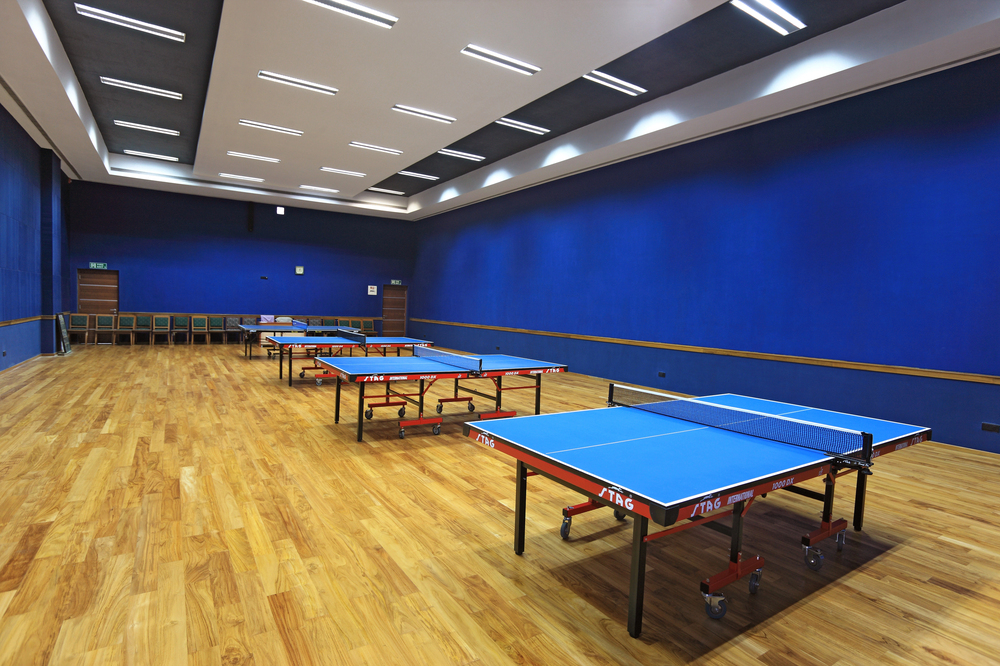
Choosing the right table tennis table is crucial for players at all skill levels—from casual enthusiasts focusing on a short game to advanced players refining powerful topspin techniques. The cost of a table tennis table varies widely depending on its quality, materials, brand, and features. Understanding these factors helps players make informed decisions that align with their budget, playing style, and available space.
Table tennis tables range from affordable, foldable models ideal for beginners to high-end, professional-grade tables featuring thick playing surfaces for consistent bounce and spin response. Knowing what influences price, and how it relates to playing experience, will guide you toward the best investment for your needs.
Factors Influencing the Cost of a Table Tennis Table
Table Material and Surface Quality
The composition of the table surface and its finish affects bounce consistency and spin control. Higher-quality tables use medium-density fiberboard (MDF) or particleboard with a smooth, matte coating designed to optimize dwell time—the duration the ball stays in contact with the surface. This is essential to generate controlled strokes, especially with dynamic spin-rubber combinations like tensor rubber.
Table Thickness and Bounce Consistency
Table thickness is directly linked to how consistent and lively the bounce feels. Standard indoor tables typically have surfaces between 15mm and 25mm thick. Thicker tops provide a more stable rebound, which benefits footwork and stroke precision during fast exchanges and serve receive situations. Thinner tabletops are more affordable but may produce inconsistent bounces, hindering gameplay for skilled players.
Frame and Leg Sturdiness
Frame stability contributes to a solid feel during intense rallies. Tables with robust steel frames reduce wobble, improving your ability to maintain balance and footwork under fast-paced movement. Cheaper tables often use thinner, less rigid frames, which can shift slightly and disrupt stroke accuracy.
Portability and Foldability
Foldable tables add convenience for players with limited space or those practicing a short game at home. While foldable models can be slightly more expensive due to their design complexity, many offer locking mechanisms and wheels for easy transport. Fixed tables tend to be cheaper but require dedicated space and are less adaptable.
Brand Reputation and Warranty
Established brands often command higher prices because they invest in research, quality control, and customer support. A solid warranty can protect your investment, especially if you plan heavy or frequent use. Cheaper brands might save money upfront but could lack long-term reliability or replacement options.
Price Ranges for Different Types of Table Tennis Tables
Entry-Level Tables: Suitable for Beginners and Casual Play
Entry-level tables generally cost less, focusing on affordability and basic function. They usually feature thinner tops (12-15mm) and lighter frames. These are perfect for beginners learning stroke basics or casual players who want a recreational table without worrying about detailed performance parameters.
Mid-Range Tables: Balancing Performance and Affordability
Mid-range tables typically have 15-19mm thick surfaces, improved frame stability, and may include features like foldability and wheels. They support more consistent bounce and better dwell time, enhancing techniques such as advanced topspin drives and footwork drills. These tables are ideal for club players and serious hobbyists.
High-End and Professional Tables: Features for Advanced Players and Clubs
Professional-grade tables come with 22-25mm thick surfaces, precise matte finishes, and highly stable steel frames to optimize every aspect of gameplay—including high-speed rallies, varied spin with tensor rubber blades, and demanding choreography like serve receive strategies and short game finesse. They are made to withstand heavy use in clubs and tournaments.
Outdoor vs Indoor Tables and Their Cost Differences
Outdoor tables add weatherproof materials such as aluminum or synthetic surfaces to resist warping and moisture damage. These features generally increase cost significantly compared to indoor tables. However, outdoor durability makes them the better choice in less controlled environments or for players practicing year-round.
Impact of Table Tennis Table Features on Price
Dwell Time and Its Relation to Surface Texture
Dwell time affects how the ball behaves on contact, influencing spin generation and control. Higher-priced tables use surface coatings with consistent texture to optimize dwell time—favoring players relying on controlled topspin and placement over pure speed.
Effect of Frame Design on Stability and Footwork
An orderly frame design that limits vibration helps players maintain balanced footwork, especially during rapid directional changes or smashes. More expensive tables invest in reinforced frames and adjustable leg supports to ensure this stability.
Additional Features: Automatic Ball Return, Net Systems, and Wheels
Additional features such as automatic ball return systems save practice time by collecting balls after serves or rallies, helping with drills focused on serve receive and short game improvements. Upgraded net tension systems and smooth-rolling wheels also increase the table’s convenience and durability but add to the cost.
Buying Tips: How to Choose a Table Tennis Table Within Your Budget
Assessing Playing Style and Frequency
Consider whether you focus on developing short game techniques in casual settings or require a table capable of handling intense topspin exchanges and footwork training daily. Frequent play justifies investing in higher-end features.
Considering Available Space and Table Dimensions
Standard table size is 9ft by 5ft, requiring ample space for proper play. Ensure your area allows movement around the table, or else a foldable or compact model might better suit your needs.
Importance of Portability for Short Game Practice
If you practice short game and footwork drills at home with limited space, portability becomes a priority. Foldable tables with smooth wheels enable easy setup and storage.
Balancing Budget with Desired Features and Durability
Match your budget with the features most impactful for your style: surface thickness for bounce, frame stability for footwork, or weatherproofing for outdoor use. Sometimes spending a bit more upfront extends the lifespan and maintains table quality longer.
Where to Buy Table Tennis Tables and Price Comparison
Online Retailers vs Specialty Sports Stores
Online retailers often provide competitive pricing and a wide selection while specialty stores offer expert advice and the opportunity to test table feel. Consider trying out tables if possible before purchase.
Second-Hand Market Considerations
Used tables can offer a bargain but require careful inspection for surface warping, frame damage, or worn net systems. Verify the blade composition and thickness to ensure playing quality is not compromised.
Checking for Seasonal Sales and Discounts
Look for off-season sales or special discount events, especially around holidays, which may yield good deals even on higher-end models.
Maintaining Your Table Tennis Table to Maximize Investment
Proper Storage to Preserve Surface Quality
Keep indoor tables in dry, temperature-controlled environments to avoid warping or surface damage. Outdoor tables should be covered when not in use.
Regular Cleaning and Care for Frame and Net
Wipe the surface gently with a damp cloth to remove dust and ball marks that affect bounce and spin. Inspect nets and frames periodically to tighten or repair as needed.
When to Consider Replacement or Upgrades
If bounce becomes inconsistent due to warping, or frame wobble worsens, it may be time to replace or upgrade your table. Investing in a quality table prolongs effective training and enjoyment.
FAQs
- What is the average cost of a beginner table tennis table? Entry-level tables often range from affordable budgets, typically below mid-range prices, focusing on basic functionality.
- How much does a professional-grade table tennis table typically cost? Professional tables usually command higher price points due to thicker surfaces and sturdy frames designed for tournament play.
- Do outdoor table tennis tables cost more than indoor ones? Yes, outdoor models include weatherproof materials and coatings, generally increasing the price.
- Are foldable tables more expensive than fixed tables? Foldable models can be pricier due to added design features for portability but offer convenience for limited spaces.
- How does table thickness affect bounce and price? Thicker surfaces provide more consistent bounce and usually correspond with higher prices.
- Where can I find affordable table tennis tables with good quality? Check online retailers, second-hand markets, and seasonal sales for affordable options that balance quality and cost.
- Is it worth investing in an expensive table tennis table as a casual player? For casual short game practice, mid-range tables might suffice, but investing more can improve bounce and durability if frequent use is anticipated.
- What maintenance is needed to extend the life of a table tennis table? Proper storage, regular cleaning of the surface and frame, and addressing minor repairs promptly help maximize longevity.
Conclusion
When considering the cost of a table tennis table, it is essential to balance price with durability, surface quality, and portability suited to your style and environment. Understanding price ranges allows players to select tables tailored to specific needs—from casual short game practice to advanced spin-intensive rallies. Additional features and diligent maintenance further enhance value and lifespan. Taking time to shop around and compare options ensures you secure the best table without compromising essential performance characteristics.