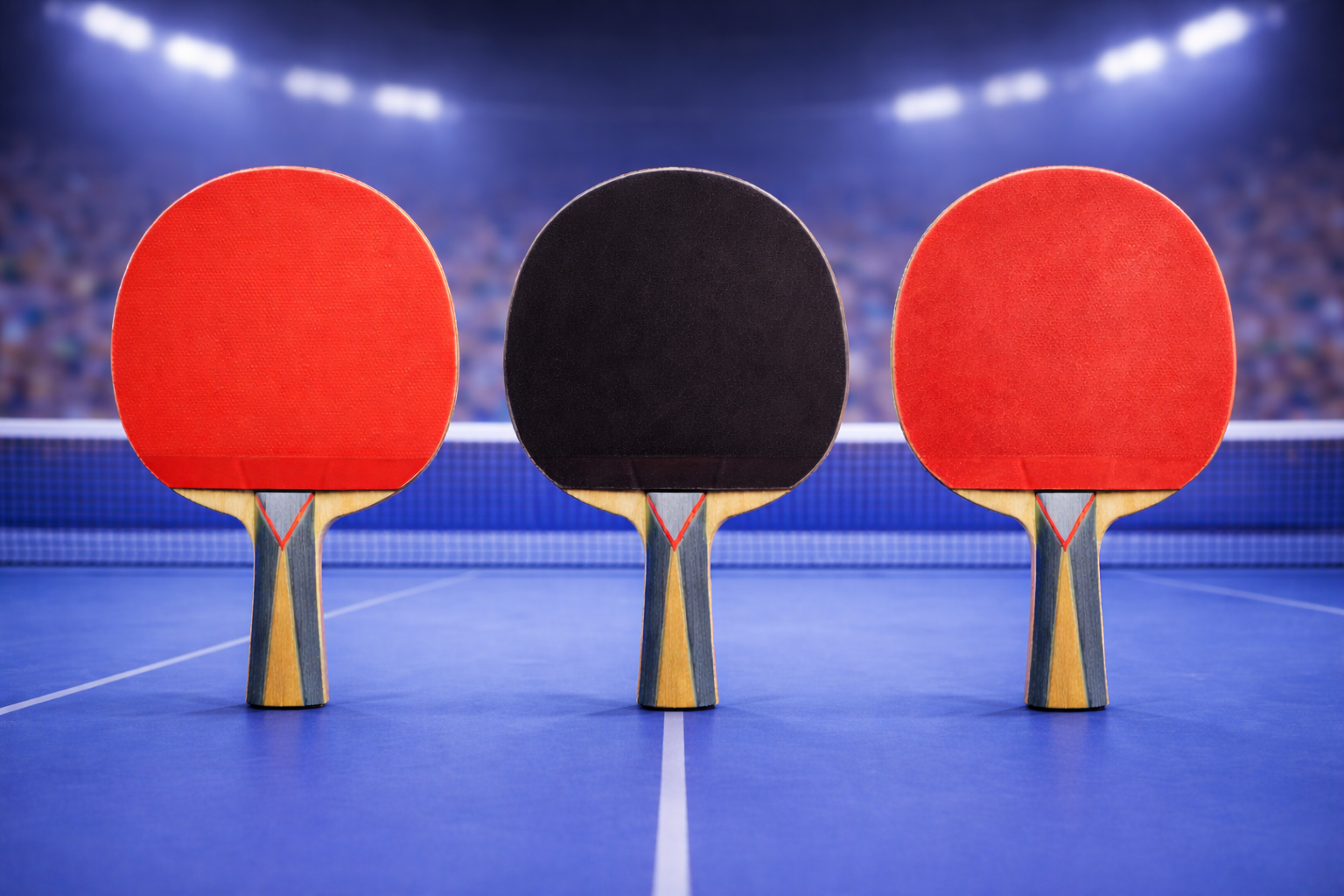
Understanding the Role of Table Tennis Rubbers in Your Game
How rubbers affect topspin, speed, and control
Table tennis rubbers are critical in shaping your ability to generate topspin, control the speed of the ball, and dictate trajectory. The rubber’s surface tackiness and sponge dynamics influence how much spin you can produce, affecting strokes like the backhand loop or aggressive forehand drives. A well-maintained rubber allows for consistent dwell time—the period the ball stays on the blade—enabling better manipulation of spin and placement.
Differences between inverted, pips-out, and anti-spin rubbers
Each rubber type offers unique playing characteristics. Inverted rubber has a smooth, tacky surface ideal for heavy topspin and varied spin play. Pips-out rubber features short or long pimples which reduce spin sensitivity and can disrupt opponents’ rhythm, often favoring a flatter hit. Anti-spin rubber is smooth but extremely low friction, designed to neutralize incoming spin and slow the ball, useful for defensive strategies.
Impact of sponge hardness and elasticity on performance
The sponge beneath the rubber surface plays a vital role in speed and feel. Softer sponges tend to increase dwell time and enhance control, beneficial for short game touch shots and spin variation. Harder sponges provide more power and speed, complementing an aggressive loop style. Elasticity also affects the tensor effect — a built-in tension that boosts speed and spin—common in tensor rubbers.
Signs That Indicate It’s Time to Change Your Table Tennis Rubbers
Loss of grip and decreased spin generation
One of the earliest and most noticeable signs is a reduction in grip. This translates to weaker topspin on loops and less effective serve and serve receive. If your backhand loop or flicks lose their usual snap, your rubber’s tackiness might be deteriorating.
Visible wear: cracks, pitting, and peeling
Physically inspecting your rubbers can reveal cracks, surface pitting, or peeling edges. These damages interrupt the smooth contact needed for consistent ball flight and can cause unpredictable ball behavior, especially in delicate touch strokes.
Changes in dwell time and ball trajectory
You may notice the ball no longer stays on the paddle as long during contact, altering your dwell time. This shorter interaction can reduce spin generation and change the throw angle, causing the ball’s trajectory to become flatter or inconsistent.
Reduced tensor effect in tensor rubbers
Tensor rubbers often deliver extra speed due to internal tension in the sponge. Over time, this tension relaxes, leading to diminished explosive power and spin. If your shots feel less dynamic despite solid technique, your tensor rubbers could be wearing out.
Recommended Frequency for Changing Table Tennis Rubbers
Average lifespan for casual vs. competitive players
For casual players, table tennis rubbers typically last between 6 to 12 months depending on use. Competitive or club-level players who train multiple times weekly often need to replace rubbers every 3 to 6 months to maintain peak performance.
Influence of playing intensity and playing style
Players with aggressive playing styles—heavy topspin loops or frequent smashes—wear rubbers out faster than those with defensive styles or emphasis on blocks and pushes. High-intensity sessions accelerate sponge degradation and surface wear.
Environmental factors: temperature, humidity, and cleaning habits
Extreme temperatures and humidity can dry or soften rubbers, altering their elasticity and grip. Regular cleaning with appropriate rubber cleaners extends life, but improper storage—like exposing rubbers to direct sunlight or moisture—can shorten their effectiveness considerably.
How Playing Style Affects Rubber Longevity
Aggressive loop players vs. defensive choppers
Aggressive loop players constantly engage the rubber’s topspin capabilities, increasing friction and compressive forces on the sponge, which leads to quicker wear. Defensive choppers and blockers tend to wear down rubbers more slowly since shots are less forceful and more about placement and spin variation. This dynamic is explored in how to beat defensive players in table tennis.
Influence of serve variation and short game techniques
Serve specialists who rely on heavy spin and deception may see faster grip loss due to frequent contact with the ball and the table. Equally, players using delicate short game strokes that require precise touch can detect performance drops sooner, as any slight change in rubber condition impacts ball control significantly.
Role of footwork and blade impact on rubber wear
Dynamic footwork leads to more aggressive blade angles and faster stroke execution, often placing additional stress on rubbers during fast rallies. Additionally, the composition of the blade influences how vibrations affect the sponge and rubber, potentially accelerating wear if the blade’s hardness is high or if the player’s technique involves frequent side impacts. Improving footwork can help manage this, as discussed in improve your table tennis footwork.
Tips to Extend the Life of Your Table Tennis Rubbers
Proper cleaning techniques and recommended products
- Use a soft rubber cleaning sponge and specialized mild rubber cleaner after each session.
- Avoid household detergents that can degrade the rubber’s tackiness.
- Clean gently to remove dust, sweat, and oils without damaging the surface.
Storage best practices to maintain sponge and rubber quality
- Store blades with rubbers covered using protective films to prevent dust and oxidation.
- Keep paddles in hard cases to protect from physical damage.
- Avoid bending or stacking paddles which can deform the sponge.
Avoiding overexposure to sunlight and humidity
Prolonged exposure to UV rays causes rubber to harden and crack. High humidity can soften the sponge excessively, reducing tensor effects. Store equipment in a cool, dry place away from windows or heaters.
Using protective films and rubber rejuvenators
Applying protective films immediately after play shields the surface from air and dust, preserving grip. Some players use rubber rejuvenators or tacky sprays cautiously to temporarily enhance grip, but these do not replace the need for eventual rubber replacement.
How to Choose the Right Time to Change Your Rubbers Based on Performance Goals
Recognizing subtle declines in spin and speed
Pay close attention to any subtle declines in the sharpness and consistency of your topspin and serve delivery. If rally shots or backhand loops lose their usual bite or drive, it often signals that the rubber’s performance is waning.
Testing rubber condition during training sessions
Incorporate specific drills that emphasize spin and touch—for example, repeated backhand loop drills or serve and receive exercises. Notice any inconsistencies in ball trajectory or speed that weren’t present before; these can highlight hidden rubber wear.
When to upgrade rubber types to match evolving tactics
Beyond wear, changing rubbers can coincide with evolving playing styles. Players moving from defensive to offensive strategies may seek rubbers with softer sponges and stronger tensor effects. Likewise, switching from inverted to pips-out rubbers for tactical reasons also provides a natural timing for replacement.
Conclusion
Knowing how often you should change table tennis rubbers is essential for maintaining consistent spin, speed, and control. Regularly inspect your rubbers for physical signs like cracks or grip loss and monitor subtle performance drops during key strokes such as the backhand loop or serve receive. Your playing style and intensity will influence replacement frequency, with aggressive players often requiring more frequent changes. While proper maintenance and storage can extend rubber life, eventual replacement ensures you continue performing at your best in every rally.