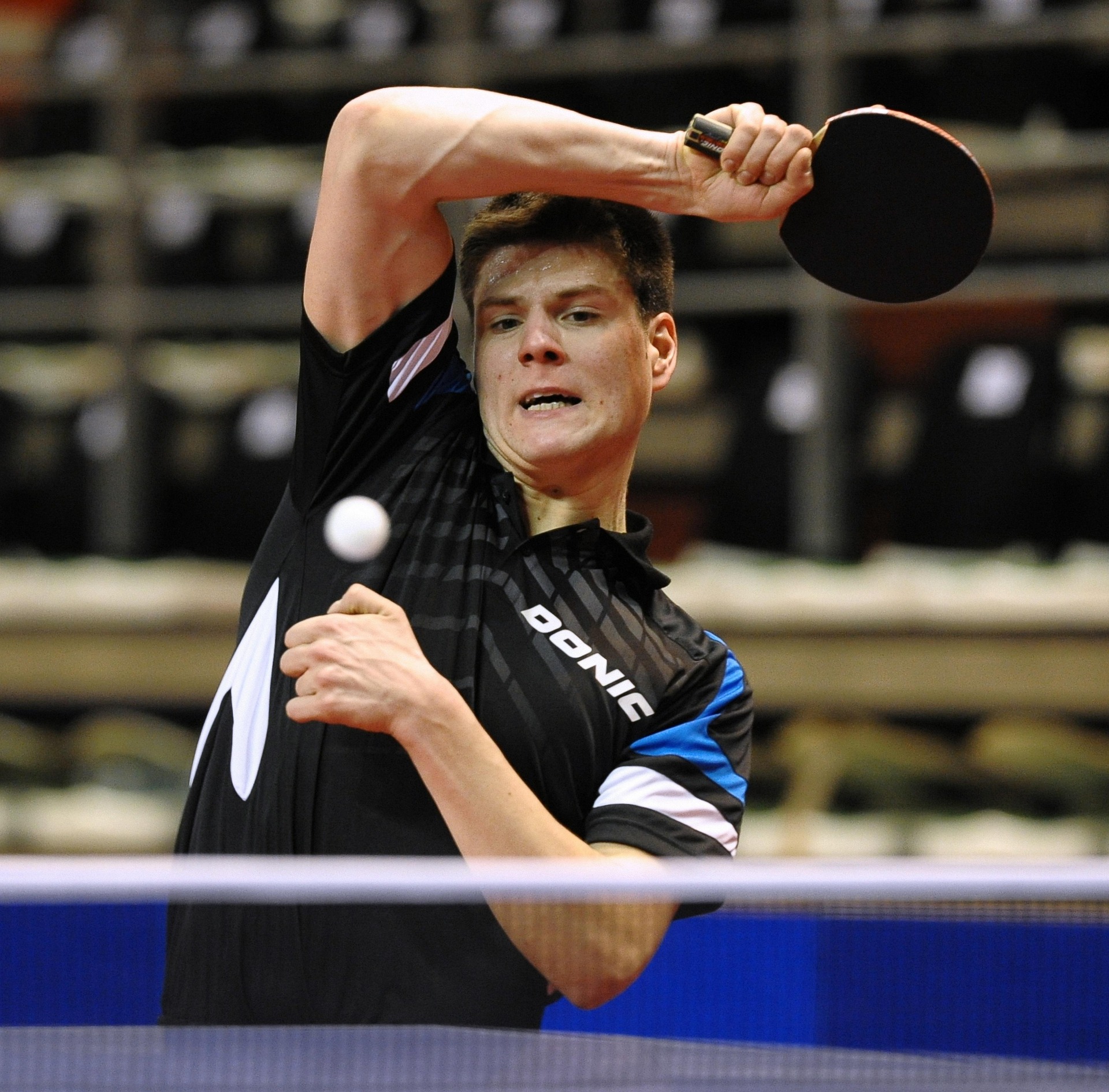
Generating spin is essential to control and dominate rallies in table tennis. Different strokes and equipment choices affect the amount and type of spin you can produce. Understanding the mechanics of spin and improving your technique will give you a competitive edge on the table.
Understanding Spin in Table Tennis
What is Spin? Basics of topspin, backspin, and sidespin
Spin in table tennis refers to the rotation of the ball around its axis and is primarily categorized into topspin, backspin, and sidespin. Topspin causes the ball to dip faster and bounce forward aggressively, backspin makes the ball float longer and bounce slower with a backward skid, and sidespin makes the ball curve sideways, complicating the opponent’s return.
How spin affects ball trajectory and bounce
The type and amount of spin affect how the ball travels through the air and how it bounces on the opponent’s side. For example, heavy topspin causes the ball to arc downward quickly, making it harder to block, while heavy backspin slows the ball, making it drop and bounce lower. Sidespin influences lateral movement, often inducing misreads and errors.
Fundamental Techniques to Increase Spin
Optimizing your stroke mechanics: brushing angle and swing speed
To maximize spin, focus on brushing the ball with a sharp racket angle, allowing more contact friction. The racket should brush the ball tangentially rather than hit flat. Increasing swing speed complements brushing by enhancing rotational speed, but it must be balanced with control to maintain accuracy.
The importance of dwell time on the racket surface
Dwell time is the duration the ball stays in contact with the racket surface. Longer dwell time allows more rubber and sponge interaction with the ball, increasing spin generation. Equipment with a suitable sponge hardness and blade that prolongs dwell time can help, as does slowing the racket speed momentarily on contact to let spin build.
Using wrist and forearm flexion effectively
Employing controlled wrist snap and forearm flexion adds extra spin and speed. The wrist can accelerate the racket tangentially at the point of contact, while forearm rotation helps generate a powerful and consistent spin. Practicing smooth wrist and forearm movements improves topspin and sidespin generation markedly.
Advanced Stroke Techniques for Generating Spin
Developing the backhand loop for heavy topspin
The backhand loop is an effective stroke to produce heavy topspin dynamically from the backhand side. It involves brushing the ball upward with a fast wrist snap and forearm pronation while rotating the upper body slightly. Combining this with precise foot positioning enhances spin and shot stability. For improving foot positioning and movement, see Improve Your Table Tennis Footwork.
Mastering the pendulum serve and its spin variations
The pendulum serve is a versatile serve that imparts significant spin by swinging the racket like a pendulum with a wrist snap. Vary the swing’s speed, racket angle, and throw angle to produce topspin, backspin, and sidespin varieties. Mastery of this serve can disrupt opponents’ rhythm and provoke weak returns. To deepen your serve skills, consider the Best Table Tennis Serves for Beginners guide.
Combining body rotation and footwork to enhance spin production
Engaging the hips and shoulders through body rotation adds power and spin beyond arm movement alone. Coordinated footwork positions you optimally, allowing you to generate greater torque during strokes like loops and drives, which increases spin while maintaining balance and recovery speed.
Equipment Factors Influencing Spin
Choosing the right rubber: tacky vs. tensor vs. grippy surfaces
Rubber choice dramatically impacts spin. Tacky rubber has a sticky surface that grips the ball longer, allowing higher spin especially on serves and slow loops. Tensor rubber features elastic properties that generate spin and speed through elastic energy release, favored for aggressive topspin play. Grippy rubbers offer good friction but without the sticky sensation, providing a balance between control and spin. Selecting the rubber depends on your attacking style and spin preferences.
Sponge thickness and hardness impact on spin generation
Sponge thickness affects dwell time and speed. Thicker sponges generally provide more catapult and increased spin potential, while thinner sponges offer more control. Sponge hardness balances spin and speed — softer sponges increase dwell time for better spin, harder sponges rebound faster but require precise timing to maximize spin.
Blade composition and its effect on dwell time and feel
Blade materials influence how long the ball contacts the racket and the feedback you receive. A blade with softer wood plies or carbon layers can prolong dwell time, helping with spin generation and touch sensitivity. Heavier, stiffer blades promote faster strokes but may reduce the feeling of ball contact needed for delicate spins, so choose a blade composition matching your technique.
Serve and Receive Strategies to Maximize Spin
Generating maximum spin on serves: throw angle and contact point
On serves, controlling the throw angle and precise contact point on the ball can maximize spin. Toss the ball high enough to allow racket acceleration and aim to brush the ball on the side or top for sidespin or topspin respectively. A clean, glancing contact with wrist snap generates heavy spin that challenges opponents.
Reading and adapting to opponent’s spin on receive
Detecting the opponent’s spin early by watching racket movement and ball trajectory is vital for effective returns. Adjust your racket angle and stroke timing to counter or exploit the spin, such as using a backspin return against topspin serves to neutralize spin or adding sidespin to create confusion. For detailed techniques, see How to Read Spin in Table Tennis.
Short game tactics that utilize spin to control the point
The short game capitalizes on spin variations to limit opponents’ attack options. Using delicate backspin pushes or sidespin short serves forces the opponent into awkward positions. Mastering precise placement combined with spin lets you control the pace and flow of the rally.
Training Drills to Improve Spin Generation
Multi-ball drills focusing on brushing technique
Using multi-ball training allows repetitive practice of brushing strokes focusing on contact angle, speed, and dwell time. This accelerates muscle memory and improves consistent spin production across forehand and backhand loops.
Shadow practice to refine stroke mechanics
Shadow practice without a ball helps you focus on smooth wrist snap, forearm flexion, and body rotation without distraction. Video analysis during shadow drills can identify areas to adjust for more effective spin generation.
Using spin tracking tools and video analysis
Modern training tools that track spin rate and ball trajectory provide immediate feedback on stroke effectiveness. Coupled with slow-motion video review, players can objectively measure improvements and correct technique nuances to enhance spin generation.
Conclusion
- Consistent practice on brushing technique and dwell time is key to generating more spin in table tennis.
- Choosing the right combination of rubber and blade can significantly boost spin potential.
- Integrating footwork, body rotation, and wrist action optimizes your stroke efficiency and spin output.
- Regular use of drills and video analysis helps refine spin creation skills steadily, giving you a winning edge in rallies.