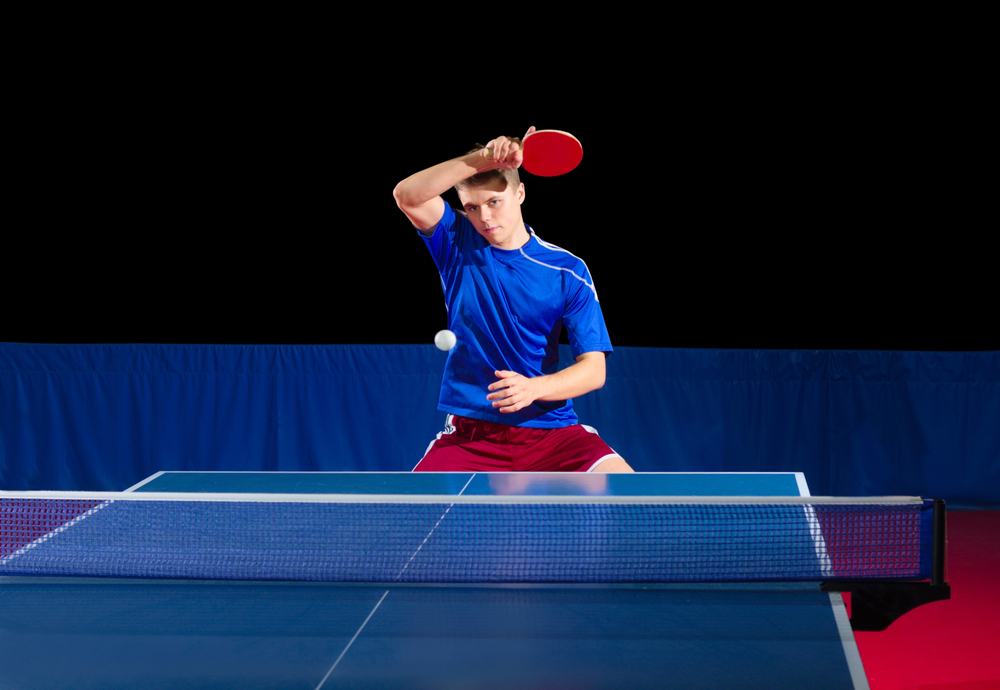
The forehand stroke is one of the most vital offensive tools in table tennis, and improving its power can transform your playing style. To improve table tennis forehand power, players must combine precise technique adjustments, refined footwork, optimal equipment, and disciplined practice. Understanding the biomechanics and timing behind a strong forehand helps maximize swing acceleration and impact force.
This comprehensive guide delves into practical tips and training methods appropriate for players at all levels, aiming to boost your forehand speed, spin, and overall effectiveness.
Understanding the Mechanics of a Powerful Forehand
The Role of Swing Speed and Acceleration
Power in the forehand mostly comes from how quickly you can accelerate your paddle through the ball’s contact zone. Increasing swing speed raises ball velocity, but acceleration—not just raw speed—is crucial. The stroke should start with a controlled backswing that rapidly transitions into a strong forward motion, using explosive muscle engagement to maximize kinetic energy transfer.
Importance of Proper Throw Angle and Dwell Time
The throw angle—the path your paddle takes just before contact—affects how the ball is launched. A well-timed angle can amplify power without sacrificing control. Close attention to dwell time (the duration the ball stays on the racket) can help in applying spin and speed. Too long increases risk of slow shots; too short may reduce control and energy transfer.
Using Body Rotation and Weight Transfer Effectively
True forehand power originates less from arm strength and more from coordinated body rotation and weight transfer. Rotating your hips and shoulders while shifting your weight from the back foot to the front foot generates torque. This kinetic chain—from legs through torso to the arm—adds substantial acceleration and impact force, making the shot more explosive and less fatiguing.
Optimizing Your Forehand Technique
Correct Grip and Stance for Power Generation
The shakehand grip is most common for strong forehands. Holding the paddle firmly but relaxed allows better wrist flexibility and control. Feet should be shoulder-width apart, knees slightly bent, and weight balanced to prepare for quick forward and rotational movement. For more details, see our comprehensive guide on table tennis grip types.
Blade and Arm Alignment During Impact
At ball contact, your blade should be slightly closed to impart topspin and direct the ball securely forward. Align your forearm with the intended ball trajectory to ensure efficient energy transfer. Avoid excessive wrist extension or arm overreach that can reduce power and cause timing issues.
Utilizing Wrist Snap and Follow-through for Additional Speed
A sharp wrist snap at the moment of impact can add a burst of speed and spin, especially useful in aggressive forehand loops. Follow-through should continue naturally toward the target, maintaining paddle speed and balance, which helps sustain power across repeated strokes.
Enhancing Footwork and Positioning to Support Power
Achieving Ideal Distance from the Table
Standing too close to the table limits the backswing and reduces momentum. Conversely, being too far back decreases control and timing. Ideal distance varies by playing style, but maintaining a position that allows a full swing without overreaching is essential for powerful forehands.
Dynamic Footwork Patterns for Better Stroke Preparation
Efficient footwork ensures proper positioning before each shot. Side-to-side shuffles and short lunges prepare your body to execute a powerful forehand while maintaining balance. Synchronizing your foot placement with stroke rhythm improves consistency and stroke power over extended rallies.
Weight Shifting and Balance for Stable Power Shots
Effective weight transfer from the rear foot to the front drives the paddle into the ball with more force. Keeping your center of gravity low and balanced during the stroke prevents loss of power and allows rapid recovery for the next shot.
Selecting Equipment that Amplifies Forehand Power
Blade Composition and Its Impact on Power
Blades made from offensive wood types or carbon layers typically provide greater rebound speed and rigidity, enhancing power generation. A stiffer blade transmits energy more effectively but may reduce feel, so balance is key depending on your style.
Choosing the Right Sponge Hardness and Rubber Type
Sponge hardness greatly affects speed and control. Softer sponge offers better dwell time and spin but less power, while harder sponge increases speed but may sacrifice some touch. Selecting rubbers that complement your technique will help optimize forehand power. Learn more about rubber choices in our article on how often to change table tennis rubbers.
Benefits of Tensor Rubbers in Power Shots
Tensor rubbers, known for their elastic properties, can boost power by aiding faster ball exit speed and enhanced rebound effect. These rubbers often enable more explosive forehand loops and smashes, supporting aggressive players looking to increase shot velocity.
Training Drills to Build Forehand Strength and Speed
Multi-ball Forehand Loop Drills for Muscle Memory
Multi-ball drills allow repetitive practice of the forehand loop, ingraining proper swing speed, timing, and footwork. Consistency in technique during rapid-fire passes helps develop both power and precision.
Shadow Practice to Improve Swing Mechanics
Shadow drills without the ball focus on perfecting stroke movement, body rotation, and wrist snap. This method emphasizes smooth acceleration and correct follow-through, reinforcing muscle memory crucial for powerful forehands.
Footwork Drills Linked with Power Stroke Execution
Footwork staples, like side shuffles combined with forehand swings, create muscle patterns that support quick positioning and explosive power transfer. Linking movement with stroke execution develops fluidity and balance.
Incorporating Spin and Placement to Complement Power
Generating Topspin Without Sacrificing Speed
Topspin is created by brushing the ball upward with a closed racket angle. With proper timing and wrist snap, you can apply heavy topspin while maintaining high ball speed, which keeps your opponent under pressure.
Using Placement and Angle Variation to Maximize Effectiveness
Powerful shots combined with varied placement force opponents out of position. Mixing deep forehands with angled shots to the sidelines or short drop placements increases unpredictability, making your power strokes more effective.
Combining Power with Short Game Tactics
Even the most powerful forehand benefits from integrating short game elements. Quick forehand blocks or well-placed pushes following a powerful loop can surprise opponents and keep you in control of the rally.
Common Mistakes That Limit Forehand Power and How to Fix Them
Over-reliance on Arm Strength Instead of Body Rotation
Many players try to generate power solely through the arm, leading to fatigue and inconsistent shots. Focus on engaging your torso and hips first, then let your arm and wrist add speed—this distributes effort efficiently.
Poor Contact Point Leading to Reduced Speed
Contacting the ball too far from your body or at the wrong height reduces power and control. Aim to hit the ball at a comfortable distance with your racket slightly in front of your body to maximize leverage and acceleration.
Inconsistent Timing and Early/late Shots
Timing errors disrupt the kinetic chain and decrease shot speed. Practice drills that emphasize rhythm and anticipate ball trajectory to ensure contact occurs during your paddle’s optimal swing speed.
Monitoring Progress and Adjusting Your Training Plan
Video Analysis for Technical Feedback
Recording your forehand allows detailed review of stroke mechanics, timing, and body movement. Comparing videos over time helps track improvements and identify technical flaws holding back power.
Tracking Forehand Speed and Dwell Time Improvements
Using tools like ball speed radar or smart sensors can provide objective data on your forehand speed and dwell time [needs source]. Monitoring these metrics guides effective adjustments in training.
Setting Realistic Power Goals Based on Skill Level
Incremental targets tailored to your current ability motivate steady progress. Avoid chasing extreme power gains too quickly; focus on balanced improvements in technique, speed, and control.
Conclusion
To improve table tennis forehand power, work on refining your technique, developing dynamic footwork, and selecting equipment suited for offensive play. Consistent, targeted drills build muscle memory and increase swing speed, while understanding stroke mechanics—such as body rotation and throw angle—can unlock greater power potential. Regular review and adjustment of your training based on technical feedback ensure continuous improvement and a more aggressive, effective forehand attack.