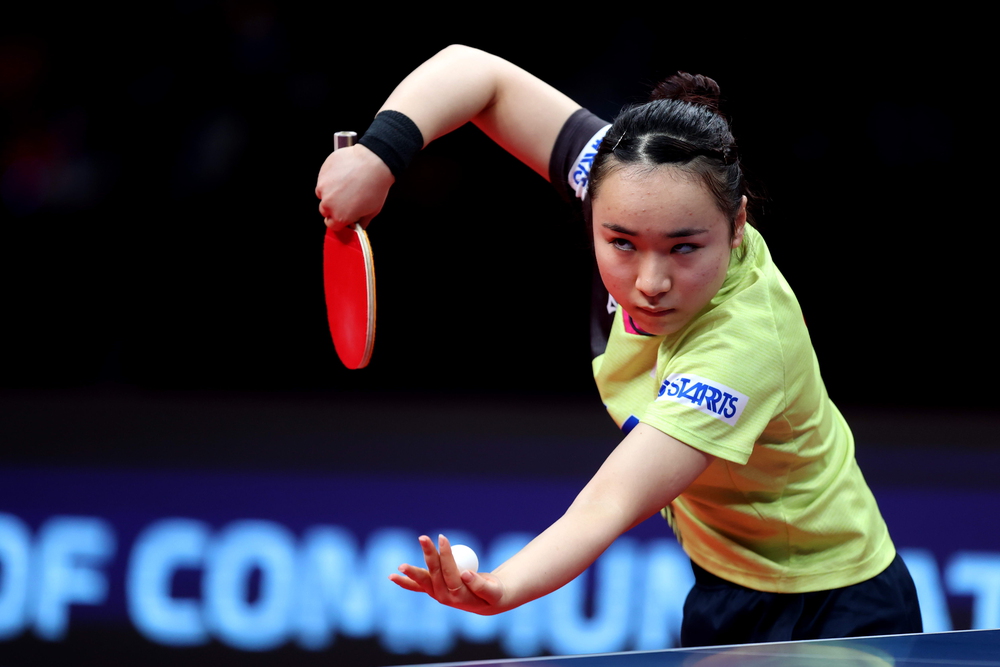
Understanding the serve and third ball strategy table tennis is essential for controlling points and dictating play against opponents. This tactic combines well-varied serves with a proactive third ball attack to keep your adversary off balance. Mastery of serve variation, spin manipulation, placement, and rapid anticipation disrupts opponents’ rhythm and improves your offensive consistency. In this article, we explore core concepts, effective serve types, reading spins, execution of the third ball attack, and tactical variations by playing style.
Understanding the Serve and Third Ball Strategy
Definition and importance of the third ball attack
The third ball attack refers to the offensive shot played immediately following the opponent’s return of your serve. After the initial serve and the opponent’s serve receive, your third ball shot is a critical opportunity to seize control of the point, often aiming for aggression through topspin loops or fast drives. Executing the third ball attack effectively sets the tone for a dominant rally and leverages the element of surprise.
How the serve sets up the third ball opportunity
The serve’s primary role in the strategy is to provoke a predictable and weak return. By varying spins—such as backspin, side-spin, and no-spin—and strategically placing serves (short or long), you increase the chance of eliciting a passive or mis-timed reply. Proper use of throw angle and wrist techniques disguises the serve spin, which enhances the chance of weak serve-receive responses that enable an aggressive third ball attack.
Common mistakes beginners make in this strategy
- Overusing predictable serves without spin or placement variation.
- Poor anticipation or footwork that delays preparation for the third ball.
- Lack of commitment to the third ball attack, opting for passive or safe shots.
- Ignoring opponent’s tendencies and failing to adjust serve tactics accordingly.
Types of Serves Effective for Third Ball Attacks
Short backspin serves
Short backspin serves land just over the net, forcing the opponent to push or flip the ball. This sets up an attacking third ball, especially with the backhand loop or quick topspin drives. The spin, combined with minimal bounce height, limits attacking options for the receiver.
Pendulum and reverse pendulum serves
Pendulum serves utilize a swinging wrist motion to impart side and backspin, causing the ball to curve unpredictably. The reverse pendulum serve is a variation that reverses the spin direction, further complicating the receiver’s read. These serves are excellent for creating weak returns, perfect for initiating powerful third ball loops.
Side-spin and no-spin variations
Altering between side-spin and no-spin serves keeps the opponent guessing. The absence of spin often induces mis-hits or changes in timing during the return. This variation is crucial for preventing opponents from settling into a rhythm and increases opportunities for attacking third balls. For more on spin effects, see how to read spin in table tennis.
Using throw angle and wrist techniques to disguise serves
Manipulating throw angle and wrist position allows servers to mask spin direction and intensity. This deception delays opponents’ ability to read the serve, increasing the likelihood of a weak or passive reply and providing space and time for a successful third ball attack.
Reading and Manipulating Spin to Prepare the Third Ball
Identifying opponent’s likely return based on serve spin
Understanding the spin you impart and how it affects your opponent’s return is key. For example, heavy backspin serve often prompts a short push, while topspin or side-spin serves can evoke flicks or blocks. Recognizing these patterns enables you to anticipate the ball trajectory and speed for an optimal third ball strike.
Using dwell time to adjust your setup
Dwell time—how long the ball stays on your racket surface—plays a critical role not only during serves but also in third ball attacks. By observing the ball’s bounce and adjusting your footwork rapidly, you can better time your third ball, ensuring controlled and precise strokes like the topspin loop or fast drive.
Tactics to induce weak returns for easier third balls
- Target the opponent’s weaker side or forehand/backhand balance.
- Use short serves with deceptive spin so opponents hesitate or overextend.
- Vary serve depth and angle to disrupt timing and cause passive pushes.
- Employ serve placement close to the table edges or body to limit opponent’s stroke options.
Executing the Third Ball Attack
Footwork patterns for quick transition from serve to attack
Efficient footwork after serving is crucial. Transition quickly into an attack stance—usually stepping forward and aligning your body to the ball’s projected return zone. Pivot weight on the balls of your feet to prepare for explosive movement into topspin loops or fast drives, exploiting any opponent return weakness. Improving footwork can be supported by drills described in improve your table tennis footwork.
Choosing between topspin loops and fast drives
Option selection depends on ball trajectory and your playing style. A slower, short return suits a controlled topspin loop to generate spin and control, while a faster or flatter ball may call for a rapid drive or punch to capitalize on speed and placement. Both options are effective offensive third ball shots when executed decisively.
Placement strategies: flip, cross-court, and down-the-line options
- Flip: An aggressive wrist flick aimed at pushing returns over the net quickly, ideal against passive short balls.
- Cross-court: Targeting wide angles stresses opponent’s footwork and opens the table for follow-up attacks.
- Down-the-line: Aiming close to the sideline to catch opponents off guard, mixing pace and placement to disrupt rhythm.
Serve and Third Ball Strategy Variations by Playing Style
Aggressive loopers vs. flat hitters
Aggressive loopers rely on heavy spin and high arcing attacks for the third ball, using varied blade compositions and sponge hardness for enhanced control on topspin shots. Flat hitters more often select fast, direct drives exploiting speed and precision. Both styles adapt serve types and third ball shots to their strengths.
Adjusting strategy for defensive or chopper opponents
Against defensive players, emphasize serve deception and short backspin serves to force pushes, followed by third ball flips or controlled short loops. Avoid excessive speed on the third ball to reduce errors against chopping returns. Tactical placement targeting backhand or body also weakens defensive setups. For more on playing defensive styles, see how to beat defensive players in table tennis.
Using blade composition and sponge hardness to enhance third ball control
Blade materials with medium flex and reactive tensor rubber combined with optimal sponge hardness can extend dwell time, improving spin generation and control for third ball attacks. Softer sponge aids in heavier spin loops, while harder sponge supports fast drives, aiding players to tailor their offensive third ball style effectively.
Common Drills to Improve Serve and Third Ball Execution
Partner drills focusing on serve variation and third ball attacks
Practice alternating serve types and immediate third ball follow-ups with a training partner. Focus on precise serve disguise and prompt aggressive third ball transitions, adjusting to different return spins and placements. Drills emphasizing continuous readjustment improve adaptability.
Multiball training for timing and placement
Using multiball allows repetitive practice of third ball shots following varied serves or random returns. This drills accuracy, timing, and shot variety, reinforcing muscle memory in executing topspin loops, flips, and drives consistently in match scenarios.
Video analysis and feedback techniques
Recording your serve and third ball sequences helps identify timing, footwork, and spin application issues. Analyze body positioning, racket angle, and opponent reactions to refine strategy and technique, enabling targeted improvements in gameplay.
Mental and Tactical Tips for Effective Serve and Third Ball Play
Reading opponent tendencies during matches
Take mental note of opponents’ preferred returns to specific spins and serve placements. Adjust serve types and third ball tactics accordingly—targeting weaknesses or forcing less comfortable returns to open attacking opportunities.
Changing rhythm and pace to create opportunities
Mix the tempo of serves and third balls—contrasting quick, aggressive shots with slower, spin-heavy ones. This disrupts opponent timing and increases chances for forced errors or weak returns, enabling easier point finishing.
Using deception and spin variation without sacrificing consistency
Perfect disguise of spin combined with disciplined shot execution balances offensive creativity with reliability. Varying serve spins through subtle wrist and throw angle adjustments while maintaining shot quality confounds opponents while minimizing unforced errors.