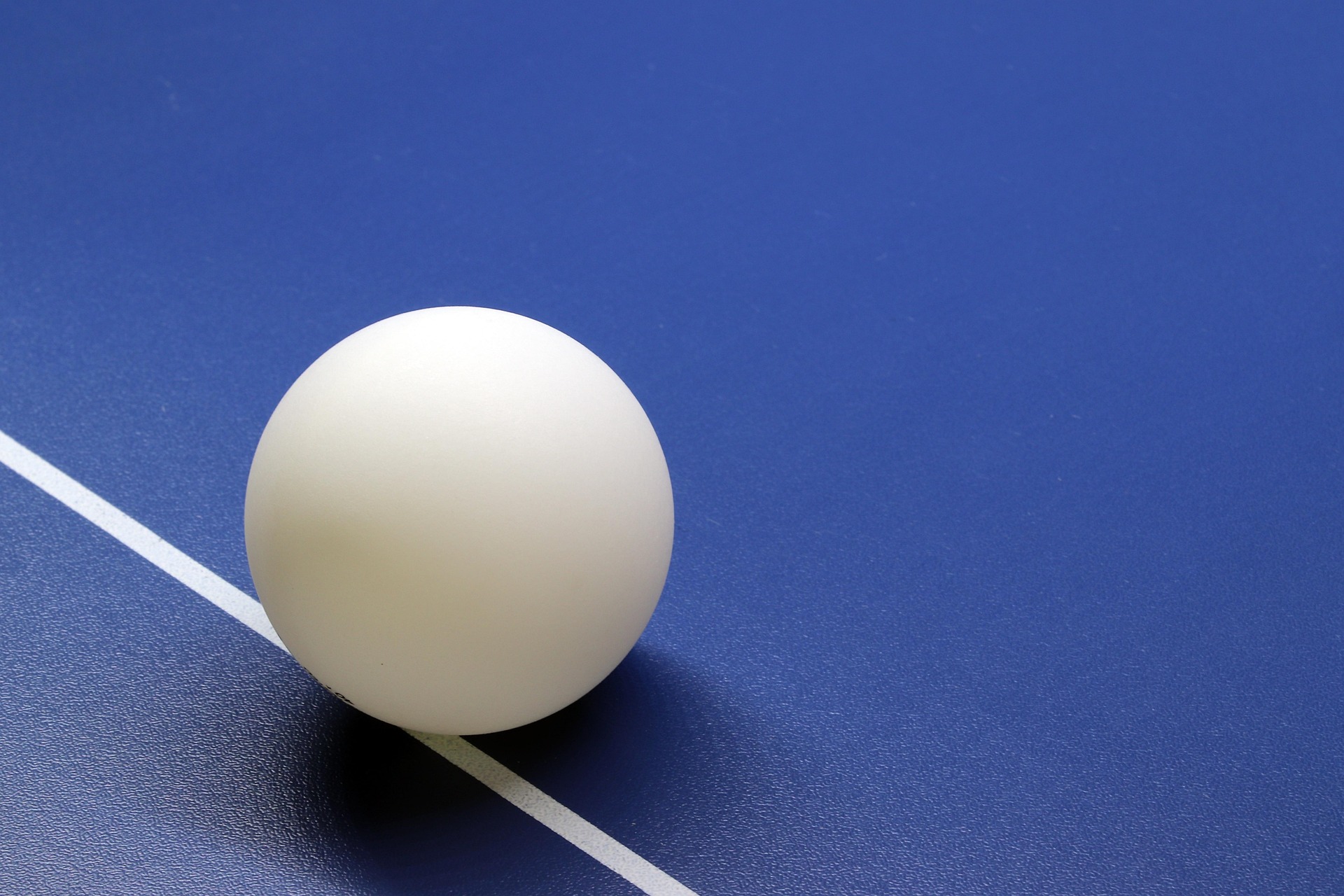
The table tennis ball plays a critical role in shaping gameplay, determining spin generation, and influencing control for every shot. Understanding the various types, materials, sizes, and performance characteristics of the balls used can greatly benefit players and coaches alike. Whether training drills focus on topspin or tactical serves require precision, the ball’s properties have a direct impact. While adhering to official specifications set by governing bodies, there is a wide variety of balls differentiated by material, color, and quality, designed to match different skill levels and conditions.
Grasping the nuances of ball behavior helps in selecting the best ball for your style and improving match outcomes. For players looking to refine their technique, understanding how to read spin can be invaluable.
Official Specifications and Standards for Table Tennis Balls
ITTF regulations on diameter, weight, and material
The International Table Tennis Federation (ITTF) governs the official standards for table tennis balls used in sanctioned matches. According to ITTF rules, the ball must have a diameter of exactly 40mm and weigh 2.7 grams. The material must be celluloid or similar plastic, meeting specific criteria for hardness and bounce, ensuring consistency across competitions.
Difference between 40mm and 38mm balls: history and impact on the modern game
Before 2000, 38mm diameter balls were the norm in competitive play. The shift to the larger 40mm balls was aimed at slowing down the game’s speed to extend rally length and enhance spectator enjoyment. Larger balls create more air resistance, slightly reducing ball speed and spin potential compared to the old 38mm balls. This change influenced playing styles, favoring control and tactical placement over sheer speed.
Introduction of plastic (poly) balls and phase-out of celluloid
In recent years, the traditional celluloid balls have been largely replaced by plastic (poly) table tennis balls due to manufacturing, safety, and environmental considerations. Poly balls tend to have a slightly different feel and response, often producing less spin and differing in bounce characteristics due to material hardness and shell thickness. ITTF approval ensures these balls meet strict performance standards allowing smooth transition at competition level.
Material Composition and Its Effect on Play
Plastic (poly) balls: properties and how they influence spin and bounce
Plastic balls are generally harder than celluloid, which impacts dwell time — the duration the ball stays on the racket. A harder ball usually results in shorter dwell time, producing a different touch and feel, often making it trickier to generate heavy topspin or execute delicate spins. Bounce tends to be more consistent, but the ball may also react differently when interacting with tensor rubber and blade composition, affecting shots like the backhand loop.
Celluloid vs plastic: comparison of feel, durability, and flight stability
- Feel: Celluloid balls provide a softer, more familiar tactile response favored by players accustomed to traditional equipment.
- Durability: Plastic balls often last longer due to higher impact resistance, though quality may vary by manufacturer.
- Flight Stability: Plastic balls exhibit somewhat steadier flight paths but can be affected by environmental factors differently compared to celluloid.
Impact of ball hardness and shell thickness on dwell time and control
A thicker shell generally increases ball hardness and decreases dwell time, which favors fast attackers prioritizing speed and power. Conversely, thinner shells allow for slightly longer contact, enhancing control and spin generation, a key factor when using tacky or tensor rubber surfaces. Experimenting with different ball constructions can aid players in fine-tuning their feel for blocking, looping, and serving.
Ball Diameter, Weight, and Its Influence on Speed and Spin
How ball size affects air resistance and trajectory
The increase from 38mm to the 40mm standard diameter increased surface area and air resistance, slowing the ball’s flight and flattening the trajectory. Larger balls decelerate faster, giving players slightly more time to position themselves and react. For spinning shots, the larger diameter can reduce the ball’s overall spin rate due to increased drag but can also stabilize trajectories in rallies.
The role of weight in shot precision and power
At 2.7 grams, the regulation weight balances power and control. Heavier balls carry momentum better, enabling powerful smashes and quick counterattacks. Lighter balls may be easier to manipulate for spin but can be more susceptible to wind or air fluctuations, affecting shot consistency. Precision shots such as the backhand loop benefit from a ball with consistent weight and balance.
Balancing speed and control with different ball specs
Players often face trade-offs between speed and control depending on ball choice. For example, slightly softer or thinner balls help with generating spin and touch control, while harder, thicker balls suit aggressive styles relying on speed and power. Coaches may advise experimenting during training to identify the ball type that complements blade composition and rubber characteristics.
Color and Visibility Considerations
Why white and orange are the official colors
The ITTF approves only white or orange balls for competition to maximize visibility against various table colors and venue lighting conditions. These colors provide contrast, helping players track the ball accurately during fast rallies and complex spins.
Effect of color choice on visibility under different lighting
In bright or natural lighting, white balls may be easier to see, whereas in dimmer settings or against certain table colors, orange balls often stand out better. Players should select the ball color that suits the lighting conditions they expect, particularly in training environments or specific tournament venues.
Specialty balls for training or specific conditions
Some training balls feature matte finishes or fluorescent colors to aid visibility during specific drills or under artificial lighting. Others may be designed to simulate different bounce characteristics or durability levels, offering varied feedback for developing techniques like heavy topspin or backhand loops.
Types of Table Tennis Balls and Their Typical Usage
Competition-grade balls vs training balls: differences in quality and consistency
Competition-grade balls undergo rigorous quality control to ensure uniformity in weight, diameter, bounce, and roundness. They provide consistent feel critical for precise shots. Training balls are generally cheaper, less consistent, and may have subtle variations affecting spin and bounce, but often are sufficient for beginner practice and multi-ball drills.
Seamless vs seam balls: impact on flight and spin
Seamless balls, made from molded plastic, lack the glued seam line that traditional balls have. This results in a more even surface, helping maintain predictable flight paths and consistent spin responses. Seam balls can create slight turbulence affecting trajectory and spin, which subtlety influences shot timing and placement.
Trial balls and novelty options: pros and cons for players
Trial balls or novelty balls, including multi-colored or custom logos, are often used for promotional or recreational play. While visually appealing, they usually lack the precise specifications required for serious competition and advanced training, potentially hindering technique development if used extensively.
Durability: What Affects How Long a Ball Lasts
Factors: material quality, impact force, temperature, humidity
Ball durability depends significantly on the quality of materials and manufacturing precision. High-impact strokes such as smashes reduce lifespan. Environmental factors like temperature and humidity influence shell flexibility and integrity, where cold or damp conditions may weaken materials causing cracks or deformation.
Common signs of degradation that affect playability
- Surface cracks or dents impairing bounce consistency
- Loss of roundness causing erratic flight
- Color fading reducing visibility and tactile feedback
Tips for storing and handling balls to extend lifespan
- Keep balls in a dry, ambient temperature environment
- Store in rigid containers to prevent crushing or deformation
- Avoid excessive exposure to sunlight which can alter colors and shell integrity
- Handle carefully during training to minimize unnecessary impacts
Choosing the Right Ball for Your Skill Level and Playing Style
Selecting balls for beginners vs advanced players
Beginners benefit from affordable, durable training balls that tolerate inconsistencies while focusing on stroke basics. Advanced players should invest in competition-grade balls that enable precise control and help refine techniques like the backhand loop or serve dynamics. For comprehensive preparation, players may also consider overall tournament readiness.
Matching ball characteristics to playing styles such as heavy topspin or fast attack
For heavy topspin players, balls with a softer shell and longer dwell time promote greater spin accumulation when paired with tensor rubber surfaces. Fast attackers often prefer harder, seam-free poly balls that react sharply off the blade composition to maximize speed and shot penetration.
How ball choice can influence developing techniques like the backhand loop or serve receive
In technique development, consistent ball bounce supports timing in advanced strokes like the backhand loop, where measured contact is crucial. Serve receive demands balls appearing predictable in trajectory and spin to enable effective counter-attacks. Selecting a ball aligned with practice goals facilitates progress and confidence.
Maintenance and Testing of Table Tennis Balls
Simple bounce and spin tests to assess ball quality before matches
Before play, simple tests help determine ball suitability: drop the ball from a standard height to check bounce consistency and visually assess spin response during basic racket contact. Uneven bounce or irregular spin signals degradation.
Cleaning and care to maintain consistent performance
Wiping balls with a damp cloth removes dust and debris that can affect grip and spin generation. Avoid harsh chemicals that could weaken the shell. Clean balls provide more predictable interaction with rubber surfaces.
When to retire a ball during training or competition
Retire balls showing any surface damage, inconsistent bounce, or color changes during matches or high-precision training. Regular rotation of fresh balls prevents compromised performance and supports skill consistency.
Frequently Asked Questions
What are the official size and weight specifications for table tennis balls?
The ITTF mandates a diameter of 40mm and weight of 2.7 grams for official competition balls.
How does the material of the ball affect spin and control?
Material hardness and shell thickness impact dwell time, influencing how much spin can be generated and the level of control during strokes.
Why were 38mm balls replaced with 40mm balls in official competitions?
The increase to 40mm balls was intended to slow the game slightly, increase rally length, and make play more spectator-friendly.
Are plastic table tennis balls better than celluloid ones?
Plastic balls tend to be more durable and stable in flight but generally offer less spin and different feel compared to celluloid, which some players prefer.
How do I choose the best ball for my playing style?
Consider your playing style, such as topspin heavy or fast attacking, along with ball hardness, shell thickness, and training versus competition-grade quality.
Can I use training balls in competition matches?
Only ITTF-approved competition-grade balls should be used in official matches; training balls lack the consistency required.
How can I tell when a table tennis ball needs to be replaced?
Replace balls showing surface damage, inconsistent bounce, or loss of roundness to maintain reliable play.
Does ball color affect gameplay or visibility?
Yes, white and orange are chosen for visibility under varying lighting; color choice can influence tracking and reaction time.
Conclusion
- Choosing the right table tennis ball is essential for maximizing performance and aligning with your playing style.
- Understanding ball material and specifications helps predict how the ball will behave during topspin, loops, and serves.
- Regular maintenance and careful selection can prolong the ball’s usability during practice and matches.
- Staying updated on ITTF regulations ensures compliance during official competition play.