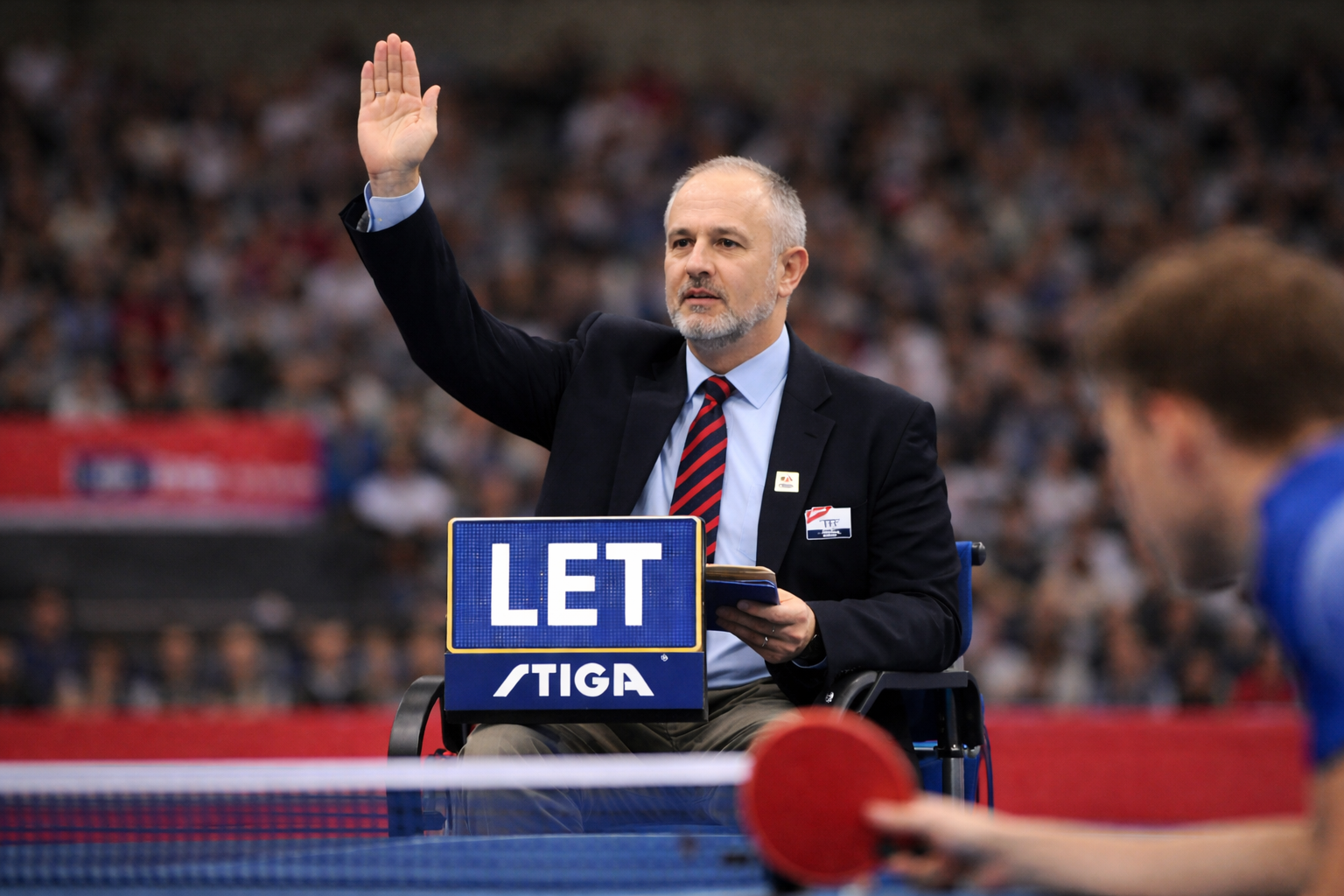
What Is a Let in Table Tennis?
Definition of a let according to ITTF rules
A let in table tennis is a point that is stopped and replayed without score change when certain interruptions or irregularities occur. According to the International Table Tennis Federation (ITTF) rules, a let often happens when a serve touches the net assembly but still lands correctly on the opponent’s side, or during rallies when unforeseen interruptions affect play. The let rule maintains fairness by ensuring points are not decided by accidental or external factors.
Difference between a let and a fault
While a let results in the point being replayed, a fault leads to the opposing player scoring a point immediately. A fault serve might include illegal serve tosses, failing to hit the ball properly, or the ball not landing in the correct service box. Conversely, a let serve occurs under conditions that do not warrant awarding the opponent a point but require restarting the play for fairness.
When Does the Let Rule Apply?
Lets during the serve – toss, net touches, ball on edge
Lets commonly occur during serves in several scenarios: when the ball is tossed incorrectly but not faulted, if the serve hits the net (net assembly) and still lands legally on the receiver’s side, or if the ball lands on the edge of the table. For example, if a serve clips the net and lands in the correct service box, the umpire calls a let and the serve is retaken without penalty. Understanding the rules for table tennis serve helps clarify these situations.
Lets during rallies – interruptions and unforeseen circumstances
During rallies, lets are called if external factors interrupt play, such as unexpected noise, player distraction caused by officials including umpires or referees, or equipment malfunction. Additionally, if a ball from another table or environmental conditions disrupt the rally, a let ensures the point is replayed fairly without scoring impact.
Specific examples: serve clips the net and lands correctly
A classic instance of a let is when a serve grazes or clips the net but still bounces properly in the opponent’s service area. Instead of awarding a point or fault, umpires call a let, and the server repeats the service. This maintains fairness as the server had procedurally correct serve placement despite the net contact.
The Let Serve: Detailed Explanation
Requirements for a legal serve and how let serves differ
A legal serve must adhere to ITTF rules: ball resting freely on the open palm, tossed vertically at least 16 cm without spin, struck behind the end line, and landing correctly on the opponent’s side. A let serve, while meeting these, involves an unintentional interference such as net contact. Instead of a fault, the serve is replayed, giving neither player an advantage.
Common causes of let serves
- Net touch by the ball during serve
- Ball landing on the table’s edge causing uncertain bounce
- External distractions occurring just before or during the serve
Impact on serve receive tactics and strategy
Let serves introduce unpredictability in the serve receive phase. Receivers must remain alert and ready to respond to repeated serves without changing positioning prematurely. Strategically, players may use let serves as opportunities to reset rhythm or force opponent errors in serve consistency.
Let Rule and Its Impact on Gameplay and Scoring
What happens after a let is called? Replay the point
When a let is announced, the point is replayed from the serve without altering the score. No player gains or loses points as the interference or irregularity affected fair play. This maintains match integrity and fairness in scoring progression. For more on scoring details, see the complete guide to table tennis scoring rules.
How lets affect player rhythm and strategy
Lets can disrupt the flow and momentum for both players. Servers have a chance to reset and adjust, while receivers must avoid frustration and stay mentally prepared. Coaches advise players to treat lets as neutral pauses, maintaining focus and clear tactical planning for the repeated point.
Role of the umpire and referee in calling lets
Umpires have primary responsibility for identifying and calling lets based on the ITTF rules and real-time observations. Referees oversee the match and can intervene if needed to clarify doubtful situations. Their judgments ensure consistent enforcement and aid proper match conduct.
Advanced Scenarios and Edge Cases Involving Lets
Let calls with disruptive external factors (e.g., line judge distractions)
If an unexpected action by a line judge or other officials distracts players during critical shots, a let may be called to nullify the point. This avoids unfair advantage stemming from distractions beyond players’ control.
Let rule in doubles and multi-ball scenarios
In doubles play, lets apply equally with additional attention to serve sequence and rotation. Multiple balls introduced accidentally on the table or unexpected interference during fast rallies can also trigger let calls to ensure equitable conditions. For more on doubles specifics, see the comprehensive guide to table tennis doubles rules.
Handling lets during high-speed exchanges and spins
High-speed rallies involving complicated spin add layers of judgment for umpires. If a rally is interrupted — for instance by external noise or equipment failure — a let preserves fairness. Umpires must carefully track rally sequence and call lets only for genuine disruptions to avoid misuse.
Tips for Players and Coaches: Using the Let Rule to Your Advantage
When to anticipate lets and remain focused
Players should anticipate possible lets during serves involving net contact or marginal ball placements near the edge of the table. Maintaining concentration during these moments helps sustain readiness and reduces performance drops caused by unexpected replays.
How to recover mentally after a let
Mentally treating a let as a reset can help players avoid frustration or loss of momentum. Coaches often recommend breathing exercises or brief moment focus resets after lets to maintain competitive edge and tactical clarity.
Training exercises to minimize let serves
Practicing consistent serve toss heights, clean racket contact, and controlled spin reduces the frequency of net touches or balls hitting the edge. Include drills emphasizing precise toss and ball placement to decrease lets, improving serve reliability in matches.
Common Misconceptions About the Let Rule
Lets are not faults — clarifying confusion
Many players mistakenly believe lets are faults. However, lets are neutral calls to replay points with no score impact, whereas faults immediately award points to opponents. Differentiating these is crucial to understanding match flow and rules.
Clarifying myths about net touches and edges
Not all net touches result in a let; if the serve does not land correctly or violates serve rules, it is a fault instead. Also, balls bouncing near but not on the edge often remain in play if judged legal. Umpires assess these with careful judgment of ITTF regulations.
When lets should not be called
Lets should not be called for player errors like missed shots, or routine net contacts that affect serve legality. Overusing let calls undermines match fairness and rhythm. Proper umpiring practices limit lets to genuine interference or irregularities only.
Frequently Asked Questions
- What exactly counts as a let in table tennis?
A let occurs when a serve clips the net but lands correctly, or when external factors interrupt live play, requiring a point replay. - Is a serve that hits the net always called a let?
Only if it lands legally on the opponent’s side; otherwise, it’s a fault serve. - How often can lets be called in a match?
Lets are called as needed based on interference or irregularities and vary per match conditions. - Does a let count as a point or is the point replayed?
The point is replayed; no points are awarded or deducted on a let. - Are lets handled differently in doubles compared to singles?
Let calls apply equally, with additional serve sequence regulations in doubles. - Can a let be called on a rally shot, or only on serves?
Lets can be called during rallies if external interference occurs; they’re not limited to serves. - What is the difference between a let and a fault serve?
A let serve involves a replay due to interference; a fault serve results in point loss due to serve rule violations. - Who has the authority to call a let during a match?
Umpires primarily call lets, with referees overseeing and intervening if necessary.
Conclusion
- The table tennis let rule explained ensures fairness by allowing replay of points affected by irregularities.
- Knowing when and why lets occur helps players stay composed and strategic throughout matches.
- Players and coaches should train to recognize lets and manage their impact on game flow effectively.
- Proper umpiring and understanding of the let rule contribute to high-quality, fair matches.