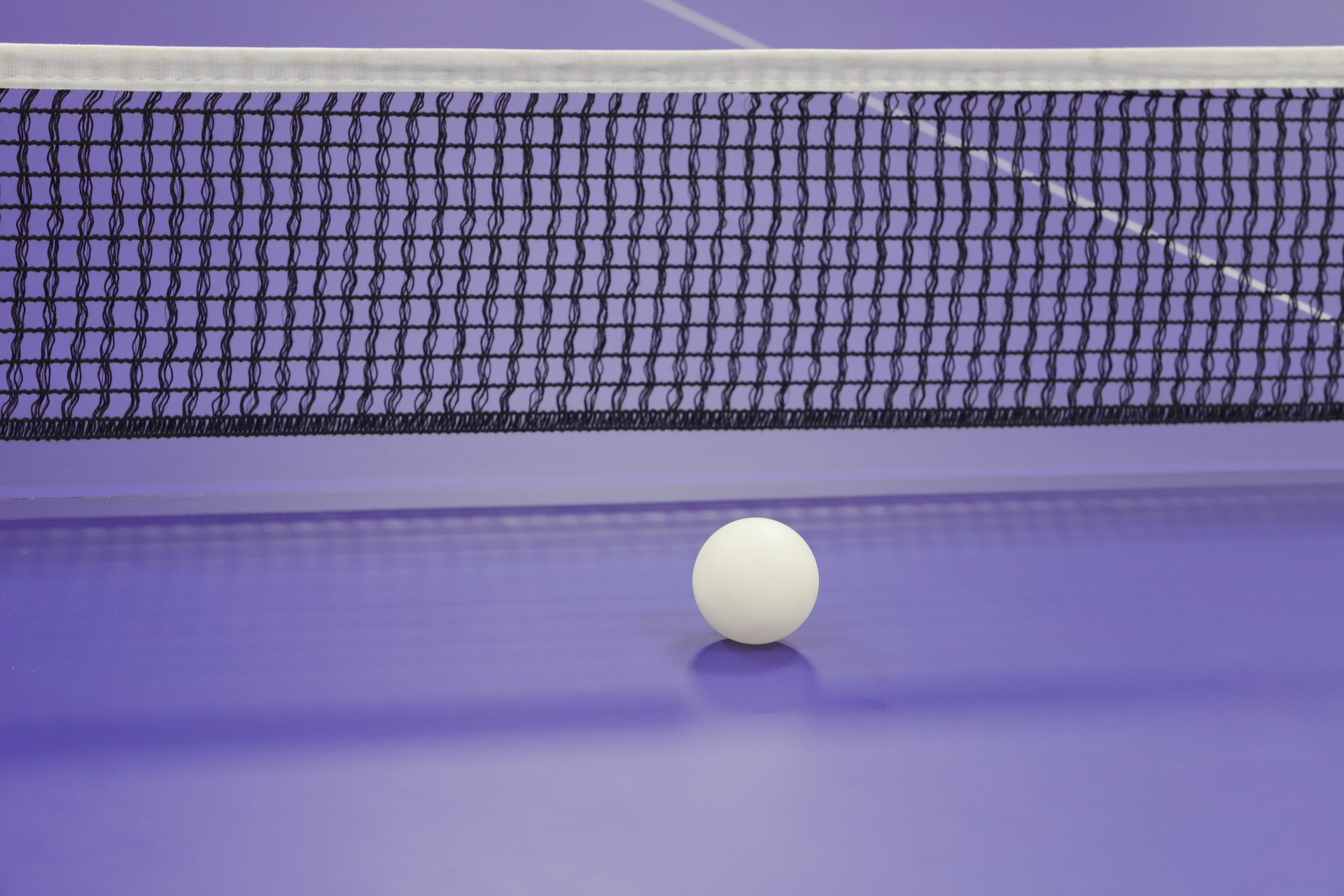
A quality table tennis net is essential to shaping the dynamics and fairness of the game. It governs ball trajectory over the table’s midline, influences serve and receive tactics, and ensures compliance with competitive standards. Proper net tension, height, and material affect both casual play and high-level competition.
Understanding net characteristics helps players optimize technique and competitive readiness. This guide delves into net roles, types, installation, maintenance, and their subtle impacts on advanced gameplay.
Understanding Table Tennis Nets and Their Role in Gameplay
The functional importance of the net in ball dynamics and rally flow
The net divides the playing surface, directly affecting how the ball travels between players. It is a crucial boundary: shots that brush or clip the net can change speed and spin, altering rally flow and shot anticipation. Players often strategize around clearance or net contact to induce errors or exploit placement.
Regulations on net dimensions and tension according to ITTF standards
According to the International Table Tennis Federation (ITTF), the net must be 15.25 cm high, extending 15.25 cm beyond the table edges on both sides. Proper tension ensures it is taut and horizontal. Regulation-compliant nets guarantee fair play by preventing excessive sag or height deviation, which could unfairly affect shots—particularly serves.
How net height and tension affect serve and receive strategies
Net height subtly influences the margin for error on serves and short returns. Too low tension or sagging nets increase the chance for net cords, affecting serve receipt timing and spin recognition. Conversely, a tightly stretched, correct-height net demands precise trajectory control from servers, encouraging varied spin and placement tactics.
Types of Table Tennis Nets
Clamp Nets: Features and ideal use cases
Clamp nets attach firmly via table tennis clamps onto the sides of tables, providing stable tension and height. They are favored for home or club usage where tables have compatible edges. Clamps allow quick installation and removal, though the clamp size and design must fit the table type securely.
Portable Nets: Pros, cons, and best scenarios
Portable nets often come with adjustable posts and flexible mounting for use on various tables, including outdoor or non-standard tables. They offer convenience but may sacrifice tension stability, potentially sagging or moving during intense rallies. Best suited for casual play or multi-purpose areas where permanent mounting isn’t possible.
Competition Grade Nets: What separates them from recreational nets
Competition-grade nets feature premium net mesh material, strong braided cords, corrosion-resistant posts, and precise tension adjustment mechanisms. These characteristics ensure durability and strict adherence to ITTF standards, crucial during tournaments where consistent net performance influences fairness and shot recognition.
Material considerations: Mesh type, cord strength, and durability
- Mesh: Fine woven polyester or nylon mesh offers excellent ball visibility and minimal wind resistance for outdoor play.
- Cord strength: Robust cords resist stretching and fraying over time, maintaining tension.
- Durability: UV-resistant net materials and reinforced posts extend net life in varying environments.
How to Properly Install and Adjust a Table Tennis Net
Correct positioning of clamps/clips for stable net attachment
Clamp placement should be centered on the table sides and securely fastened to prevent movement. Check that clamps do not damage table edges and fit the thickness precisely. Posts should be inserted as per manufacturer guidance to maintain vertical alignment.
Adjusting net tension and height to ITTF specifications
Use side adjustment screws or tension cords to tighten the net until it reaches the exact height of 15.25 cm without sag. Measure from the playing surface to the top edge at multiple points. The tension should prevent the net from bouncing excessively under ball impact.
Tips for ensuring net stability during high-intensity rallies
- Verify clamps are firmly tightened before play.
- Regularly check tension throughout matches or training sessions.
- Avoid over-tightening which can stress posts or materials.
- Use rubber padding on post clamps to reduce slippage.
Maintaining Your Table Tennis Net for Longevity
Cleaning and storage best practices
Regularly brush or vacuum the mesh to remove dust and debris that can weaken fibers. Wipe metal parts with a damp cloth to prevent rust. When not in use, detension the net slightly and store it in a dry area to maintain elasticity and prevent deformation.
Common wear and tear issues and how to fix them
Common problems include frayed mesh edges, stretched or broken cords, and loose clamps. Minor mesh fraying can be trimmed or secured with fabric glue. Replace cords if they lose elasticity. Tighten or replace clamps if they no longer grip firmly.
Replacing parts: When and how to swap nets or components
Replace nets if holes appear or visibility and tension deteriorate. Replacement posts or clamps are recommended when bending or breakage occurs. Follow manufacturer instructions to match part specifications for compatibility and ITTF compliance.
Choosing the Right Net for Your Table Tennis Setup
Matching net type with table type and playing level
Clamp nets work best on fixed-edge tables common in club or home setups. Portable nets suit flexible usage and multi-table environments. Competition-grade nets are essential for tournament play where official compliance and consistent performance matter.
Budget considerations without compromising performance
While budget limits are understandable, avoid nets with poor tension control or low-quality mesh that compromise gameplay. Mid-range nets with durable materials and adjustable tension often provide the best balance of value and performance.
Additional accessories: net post padding and height gauges
Use padded covers on posts to prevent injury and surface damage. Height gauges, often simple rulers or custom tools, help confirm net height precision quickly, especially before matches or tournaments.
The Impact of Net Quality on Technique and Tactical Play
How net tension influences ball dwell time and spin execution
Higher tension minimizes net movement, reducing unwanted ball deviation during net contact. This stability improves predictability for spin shots and short pushes, allowing players to exploit subtle spin variations and control ball dwell time for advanced techniques. Understanding spin is crucial, and our complete guide on how to read spin in table tennis offers valuable insights.
Effect of net sag or height deviations on serve accuracy and short game
A sagging net increases the margin for net cords, potentially leading to ambiguous calls and disrupted serve rhythms. Incorrect height can alter shot trajectory, forcing players to adjust stroke angles urgently, causing inconsistent short game execution.
Adjusting training drills to accommodate different net characteristics
When using varying nets, drills should adapt to net feel differences. For example, training with slightly looser nets can sharpen a player’s touch and control, while competition-standard nets require precision, honing serve placement and quick rally adaptations. Training methods without a partner can also help refine these skills, as detailed in our effective table tennis training without a partner article.
Frequently Asked Questions About Table Tennis Nets
- What is the official height of a table tennis net according to ITTF?
The official height is 15.25 centimeters (6 inches) as per ITTF specifications. - How tight should a table tennis net be for optimal play?
The net should be taut without sagging, balanced to avoid overstressing clamps or posts but tight enough to minimize bounce. - Can I use a portable net on a permanent table tennis table?
Yes, but portable nets might lack the tension stability of clamp nets, affecting rally consistency during intense play. - What materials are best for long-lasting table tennis nets?
Durable polyester or nylon mesh with strong braided cords and corrosion-resistant posts offer the best longevity. - How often should I replace my table tennis net?
Replace them when you notice visible damage, loss of tension, or compliance issues impacting play, typically every 1–2 years depending on use. - Does net tension affect spin and ball control in matches?
Yes, proper tension stabilizes net behavior, which aids players in executing spin-sensitive shots and short game precision. - Are clamp nets better than posts for recreational play?
Clamp nets generally provide better stability and consistent tension, ideal even for recreational use if tables support clamp attachment. - How do I know if my net is set up correctly for tournament use?
Use a height gauge to verify net height at 15.25 cm and ensure net tension is firm with minimal sag, following ITTF regulations.
Conclusion
- A correctly chosen and maintained table tennis net is critical for fair and effective gameplay.
- Net tension, height, and material quality can subtly influence advanced techniques like spin and serve reception.
- Regular inspection and proper installation ensure both durability and compliance with competition rules.
- Investing in a quality net tailored to your level and environment enhances practice and match performance.