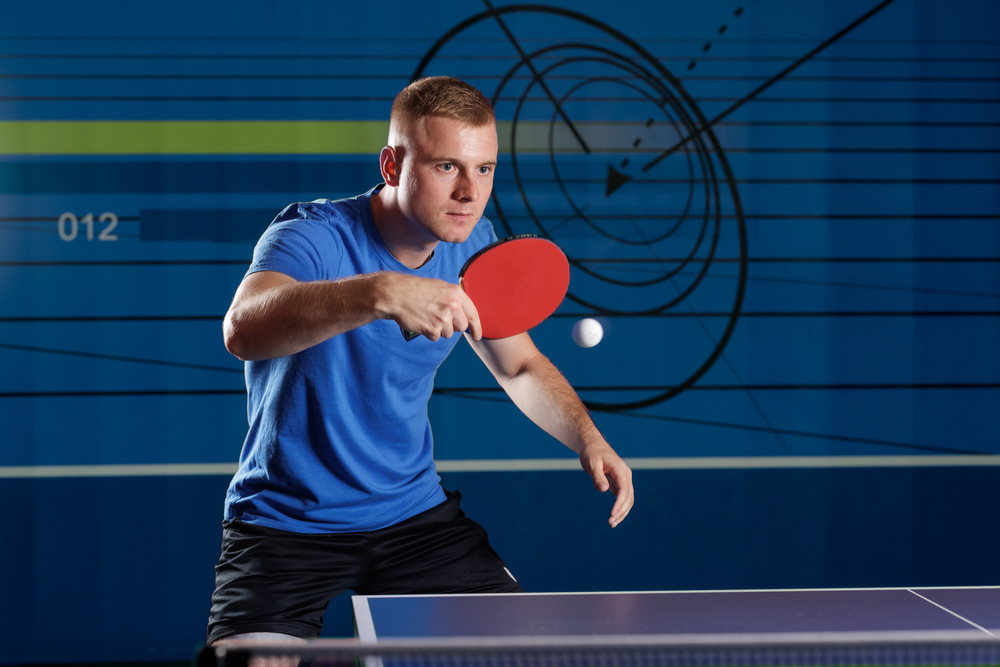
Understanding Rally Consistency in Table Tennis
Why rally consistency matters in competitive play
Rally consistency is a foundational skill for table tennis players aiming to control the pace and outcome of matches. Maintaining long rallies not only pressures opponents but also creates opportunities to capitalize on their mistakes. Reliable stroke execution and shot placement allow players to dictate the flow rather than simply reacting.
Key components: stroke technique, footwork, and anticipation
Consistent rallies depend heavily on precise stroke techniques such as well-timed topspin and the backhand loop, coordinated footwork for optimal positioning, and the anticipation of ball trajectory and spin. Mastery in these areas reduces unforced errors and enables strategic shot selection.
Common challenges players face when maintaining rallies
Players often struggle with timing, especially when transitioning between strokes or reacting to varying spins. Inadequate dwell time control on the racket, improper racket angle adjustments, or suboptimal footwork can lead to mistimed shots or poor placement, breaking the rally prematurely.
Fundamental Drills to Improve Stroke Consistency
Forehand and backhand drive repetition drills
Repetitive drills focusing on forehand and backhand drives develop muscle memory essential for rally stability. Practice controlled drives maintaining consistent depth and spin, using a moderate pace to emphasize stroke mechanics and racket angle precision.
Topspin and backhand loop placement drills
Drills targeting the accuracy of topspin and backhand loop shots help players learn placement variation and spin generation, crucial for controlling rallies. A useful drill involves alternating loops to specified table zones, encouraging shot planning and adjustment of dwell time to control ball trajectory.
Emphasizing dwell time and racket angle control
Work on increasing ball contact time (dwell time) subtly to improve spin while maintaining consistent follow-through. Adjusting the racket angle effectively during drills ensures reliable ball contact, particularly when countering opponent spins or executing topspin drives.
Using multiball training for stroke refinement
Multiball training enables concentrated stroke repetition under varied speeds and spins. This method accelerates refinement of technical details such as timing, placement, and spin adjustments, simulating rally-like ball sequences for structured practice.
Footwork Drills to Support Longer Rallies
Side-to-side shadow footwork without the ball
Shadow footwork drills without the ball help build smooth, controlled lateral movement essential for balance and stroke preparation. Focus should be on quick weight transfer and precise foot placement to optimize recovery between shots.
Dynamic footwork with continuous forehand-backhand feeding
Partner or coach feeds balls alternately to the forehand and backhand sides, requiring continuous movement and quick adjustments. This dynamic drill mimics rally conditions while ingraining positioning habits that support consistent play.
Incorporating throw angle awareness during movement drills
Training footwork while being aware of varying throw angles from feeds encourages anticipation and readiness. Adjusting steps and body orientation in response to ball trajectory improves responsiveness during live rallies.
Serve Receive and Rally Transition Drills
Consistent serve return placement drills
Drills emphasizing precise and repeatable serve returns develop a strong foundation for rally initiation. Consistently placing returns to a preferred zone can disrupt opponent rhythm and control the rally start.
Short game-focused rally initiation exercises
Practice initiating rallies with short, low-trajectory shots that increase rally length by forcing opponents to generate their own pace. Mastery of the short game supports tighter control in critical match phases.
Drills emphasizing transition from serve receive to topspin attacks
These exercises train seamless movement from passive serve returns into aggressive topspin drives, capitalizing on weak returns. Timing and racket angle adjustments are critical here for effective transitions.
Partner and Solo Drill Variations to Boost Consistency
Two-player controlled rally drills focusing on minimal unforced errors
Engage in controlled rally drills with a partner where both players aim for extended exchanges, minimizing mistakes. This hones control and concentration while reinforcing consistent stroke execution under pressure.
Solo drill options including robot and multiball feeding
Solo practice with a table tennis robot or with a multiball feeder provides ample repetition opportunities. These controlled environments allow focus on technical details like shot placement, spin variation, and blade composition interaction for reliable ball contact.
Tracking progress using rally count goals and error logging
Set specific rally count targets or record unforced errors during drills to monitor improvement. Maintaining a log helps identify technical weak points and informs adjustments in training focus.
Incorporating Equipment Factors Into Consistency Training
Impact of blade composition and sponge hardness on stroke feel
Understanding how your racket’s blade composition and sponge hardness influence ball feedback and control aids in consistency. Softer sponges offer more dwell time for spin control, while harder sponges may require adjustment in timing but enable faster strokes.
Selecting tensor rubbers for improved control in rallies
Tensor rubber offers enhanced elasticity and spin potential, facilitating longer, more controlled rallies. Choosing rubbers that balance speed and spin helps sustain rally consistency by enabling precise ball placement and spin variation.
Adjusting grip pressure and racket angle for reliable ball contact
Practice adjusting grip tension and racket angle during drills to find a consistent contact zone that maximizes shot control. Grip softness promotes flexibility in wrist movement, crucial when varying spins like topspin or backhand loops in rallies.
Tips for Effective Practice and Progress Monitoring
Setting realistic rally consistency targets
Define achievable rally lengths based on your skill level and progressively increase them. Incremental goals keep practice focused and motivate gradual improvement.
Using video analysis to identify technical flaws
Recording practice sessions allows review of stroke mechanics, footwork, and timing. Identifying subtle inconsistencies helps correct errors before they become habitual.
Balancing drill intensity and rest to avoid overtraining
Ensure practice drills are balanced with sufficient rest periods. Overtraining negatively affects precision and mental focus, undermining rally consistency gains.
Conclusion
Table tennis rally consistency drills form the backbone of a strong, competitive player’s skill set. Mastering controlled strokes like the topspin and backhand loop, supported by efficient footwork and smooth transitions from serve receive to attack, significantly elevates match performance. Incorporating equipment considerations like blade composition and tensor rubber selection further refines reliable shot-making.
By combining partner and solo training methods, including robot drills and multiball exercises, players can build the muscle memory necessary to sustain longer rallies. Tracking progress through rally counts and reviewing practice videos ensures continuous improvement. Ultimately, disciplined and technique-focused practice of these table tennis rally consistency drills empowers players to maintain control, reduce unforced errors, and dictate rallies with confidence.