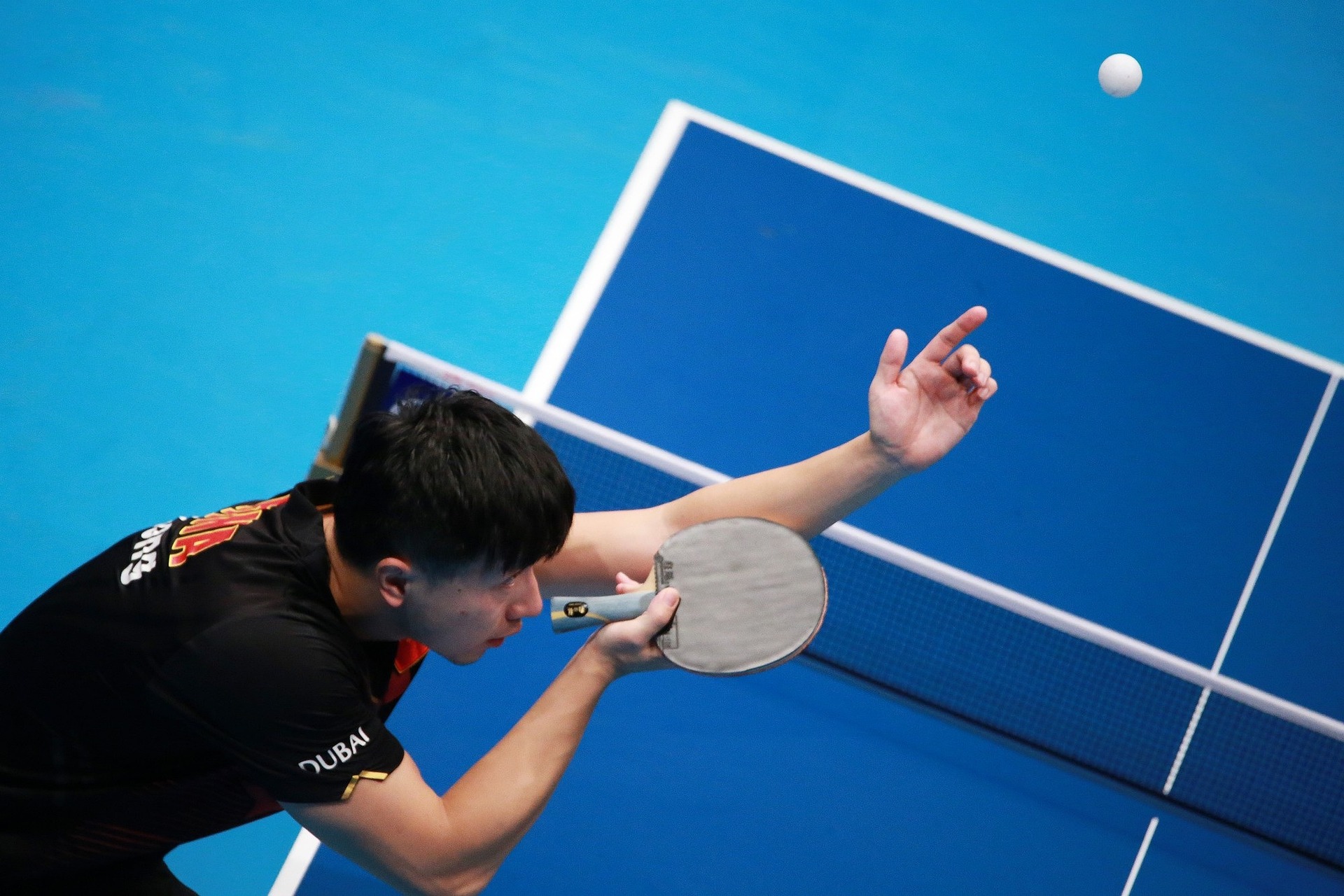
Understanding the table tennis table size as established by the International Table Tennis Federation (ITTF) is essential for maintaining gameplay quality and consistency in training and competition. Precise knowledge of length, width, height, and related dimensions influences footwork, shot execution, and strategic positioning during rallies. Additionally, recognizing size variations for practice or recreational settings allows players to select tables that fit their skill level and available space effectively.
Official Table Tennis Table Size Specifications
Standard Dimensions: Length, Width, and Height
The ITTF mandates that a regulation table tennis table must measure exactly 2.74 meters in length, 1.525 meters in width, and be 0.76 meters high from the floor to the playing surface. These dimensions ensure a standardized playing environment internationally, supporting uniform competitive conditions.
Surface Material and Thickness
The surface of competition tables is typically made from high-quality, smooth materials designed to provide a consistent bounce and spin response. ITTF-approved tables usually feature a uniform thickness of 22 millimeters. The composition and finish, often high-density fiberboard or similar, contribute critically to ball dwell time on the surface and the predictability of ball rebound essential for advanced stroke development.
Net and Post Assembly Dimensions and Placement
The table tennis net assembly must be 15.25 centimeters high and extend 15.25 centimeters beyond the table’s edges on each side. Posts are positioned directly outside the playing surface at the midline, ensuring an unobstructed vertical net and consistent tension. Proper net height and tension are crucial for fair serve receive and rallying mechanics.
Importance of Flatness and Consistency in Competition Tables
Flatness across the entire table surface is vital for consistent ball behavior. Even minor warping or unevenness can alter bounce trajectories, adversely affecting stroke timing and footwork adjustments. Official tables undergo strict quality control to maintain a flat surface within tight tolerances, ensuring reliability for competitive players.
Why Table Size Matters in Table Tennis Performance
Influence on Footwork and Positioning During Short Game and Baseline Play
The precise dimensions of the table influence how a player must adjust footwork between close-to-the-table quick exchanges and deeper baseline rallies. A standard-sized table demands a well-calibrated lateral and in/out movement to maintain balance and stroke readiness, directly impacting the player’s ability to execute timely returns and maintain control during fast-paced play. Improving footwork is essential, and players can benefit from dedicated footwork drills to enhance agility and positioning.
Impact on Dwell Time and Stroke Preparation
Table surface size affects the ball’s dwell time—the period the ball stays on the paddle or the table surface momentarily. Proper table size combined with the right surface material offers predictable ball bounce and dwell time, giving players accurate feedback for preparing complex strokes like the backhand loop or topspin drives.
How Table Size Affects Serve and Throw Angle Strategies
The length and width of the table define legal serve areas and influence the effective throw angle during serves. Strategic manipulation of serve trajectories depends on spatial awareness of table boundaries. Players often adapt their serving tactics, including spin variation and placement, based on the fixed table size to maximize serve effectiveness and challenge opponents’ serve receive. For more on serving tactics, see basics of table tennis serving.
Considerations for Different Playing Styles: Offensive vs Defensive
Offensive players leveraging powerful forehand topspins benefit from a standard table size that allows adequate room for stroke execution and follow-through. Conversely, defensive players focusing on backspin and controlled placement use the table’s dimensions to maintain rallies, positioning themselves optimally to respond to aggressive shots. Understanding spatial constraints aids in tailoring footwork and stroke selection according to individual style needs.
Variations in Table Tennis Table Sizes for Different Settings
Training Tables vs Competition Tables
Training tables often adhere to official dimensions but may incorporate adjustments, such as foldable designs or slightly different surface materials, to simulate match conditions while providing convenience. While competition tables prioritize surface uniformity and durability, training tables emphasize adaptability, facilitating drills that focus on footwork, reaction times, and stroke consistency.
Smaller or Mini-Tables for Skill Development: Benefits and Drawbacks
Mini or reduced-size tables, typically half or three-quarter scale, serve as tools for improving reflexes, hand-eye coordination, and shot precision within limited space. However, they affect spatial judgment and footwork patterns differently from full-sized tables, potentially limiting transferability of some tactical elements to standard play.
Portable and Foldable Table Sizes
Portable tables usually maintain ITTF dimensions but feature folding mechanisms, lighter constructions, and transport wheels for ease of storage and mobility. While convenient, their structural stability may slightly vary, which can influence flatness and surface consistency—factors critical for advanced stroke accuracy.
Outdoor Table Specifications and Considerations
Outdoor tables are commonly built with weather-resistant materials and may vary slightly in size due to design constraints. ITTF-approved outdoor tables keep the official dimensions but use synthetic surfaces and coated nets to withstand environmental exposure. Players should note that outdoor conditions can subtly affect ball bounce and spin behavior due to surface texture and humidity.
Choosing the Right Table Tennis Table Size for Your Space
Recommended Clearance Around the Table for Optimal Movement
Playing at the correct table size requires adequate clearance. ITTF and coaches recommend at least 5 meters in length and 3 meters in width around the table to allow full footwork freedom. This space supports proper stroke preparation, especially for baseline-oriented players who use wider foot positioning and deeper court coverage.
Space-Saving Designs Without Compromising Play Quality
For smaller areas, foldable or hinged tables that meet regulation size but can be compacted when not in play are ideal. Some models offer split playing halves, enabling solo practice by folding one side vertically. This design maintains official width and length during play while offering practical storage.
Adjustable Height Tables and Their Uses
While the standard height is 0.76 meters, adjustable tables allow customization for developmental players, youth, or those with disabilities. Height variations can influence stroke mechanics—for example, higher tables might encourage tighter backhand loops by altering contact angles. Coaches often use adjustable tables to gradually transition players toward standard heights.
Blade Composition and Rubber Choice Synergy with Table Surface
Table size and surface characteristics interact with paddle blade composition and rubber type. Tensor rubbers with high dwell time combined with ITTF-standard tables enhance spin generation that complements strategic play. Similarly, blade stiffness influences stroke feel in relation to predictable ball bounce on a regulation table size. For more on rubbers, see how often should you change table tennis rubbers.
Care and Maintenance Tips Related to Table Size and Surface
Ensuring Flatness and Stability Over Time
Routine checks for warping or surface irregularities keep the table within official size tolerances. Leveling feet adjustments and support frame inspections prevent sagging that can distort bounce and affect stroke timing.
Cleaning Techniques to Preserve Playing Surface
Use mild cleaners and soft cloths to remove dust and grime without damaging the surface coating. Avoid abrasive materials that can alter friction, which is crucial for ball spin behavior on the table.
Adjusting Net Height and Tension for Consistent Play
Regularly verify that the net height remains at the 15.25-centimeter standard and that tension is sufficient to keep it taut. A sagging or improperly placed net can interfere with serves and rally flow, affecting tactical decisions during matches.
Transport and Storage Impact on Table Size Integrity
Folding and moving tables should be done carefully to prevent damage to the frame or surface. Improper handling can lead to misalignment, warping, or loosened net assemblies, compromising adherence to official size standards.
How Table Height Variations Affect Playing Technique
Standard Table Height vs Custom Height Options
The 0.76-meter height aligns the table with optimal arm and wrist angles for a wide range of strokes. Custom heights may be utilized in coaching scenarios but require adaptation in biomechanical movement and timing.
Effect on Backhand Loop and Forehand Topspin Execution
Height changes influence paddle trajectory in executing strokes like the forehand topspin and backhand loop. A slightly lower table can shorten the contact window, demanding quicker reaction times, while a higher table may promote a more upright stroke plane and extended reach.
Adaptations in Footwork and Reach
Players must adjust distance from the table and foot positioning to compensate for height variations. Footwork drills tailored to specific table heights improve stroke consistency and reduce errors linked to misjudged distance and reach.
Implications for Training Players with Handicaps or Younger Age Groups
Height-adjustable tables facilitate inclusive training environments by accommodating varying physical requirements. For younger players, lower tables enhance stroke development with reduced physical strain, promoting longer practice sessions and better technique acquisition.
Frequently Asked Questions
- What are the official dimensions of a table tennis table? The standard ITTF dimensions are 2.74 m in length, 1.525 m in width, and 0.76 m in height.
- Is the height of the table tennis table important for shot technique? Yes, height impacts stroke angles, footwork, and reach, influencing shot precision and effectiveness.
- Can I use a smaller table for practicing if I don’t have enough space? Smaller tables can develop reflexes and coordination but may limit realistic footwork and strategic positioning relevant to standard play.
- What is the standard net height and how is it measured? The net height is 15.25 cm, measured from the playing surface to the top of the net.
- How does table surface material affect ball bounce and spin? Material thickness and finish impact dwell time and friction, affecting how the ball bounces and the amount of spin retained during rallies.
- Are outdoor table tennis tables different in size from indoor ones? Most ITTF-approved outdoor tables maintain official size but use weather-resistant materials that may affect surface texture.
- How much clearance space do I need around a table tennis table? Ideally, 5 meters lengthwise and 3 meters widthwise for optimal movement and stroke preparation.
- Can the table tennis table size affect my serve and return strategy? Yes, the fixed dimensions dictate service placement and angles, impacting tactical decisions in serve and return play.
Conclusion
Understanding the table tennis table size standard set by the ITTF is crucial for consistent and fair gameplay across all skill levels. A thorough grasp of table size nuances allows players to optimize footwork, stroke precision, and tactical execution effectively. Selecting the right table according to the environment and specific training requirements maximizes practice quality and enjoyment. Finally, maintaining proper care ensures the table retains size integrity and playing characteristics essential for long-term performance.