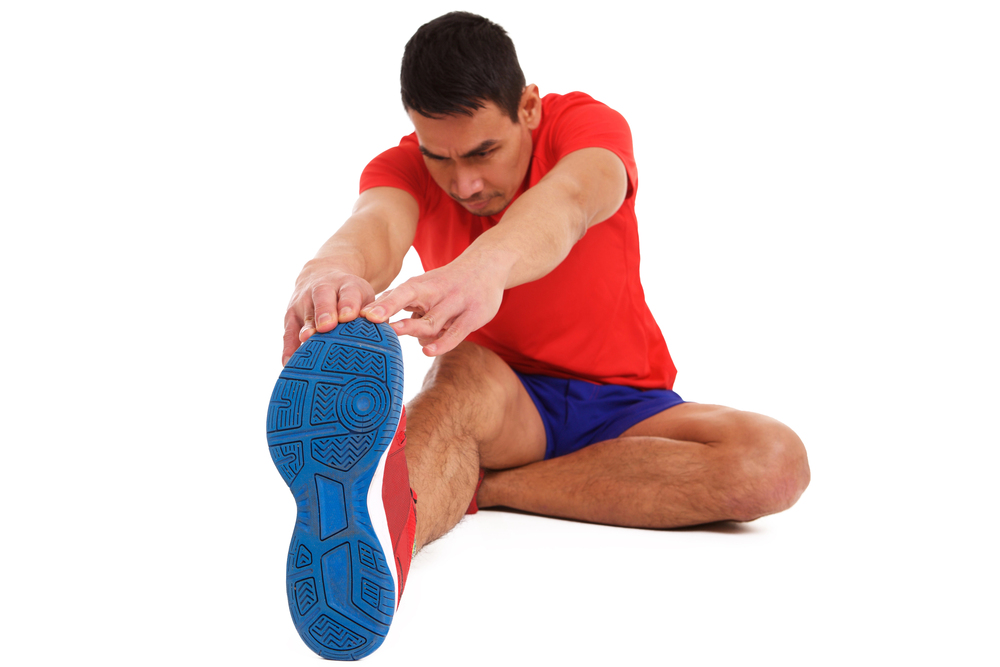
Why Proper Warm Up is Crucial in Table Tennis
Injury prevention focused on wrist, elbow, and shoulder
Table tennis demands rapid, precise movements, especially from the wrist, elbow, and shoulder joints. Without proper warm up, players risk strains or overuse injuries in these areas due to repetitive directional changes and stroke execution like topspin loops and fast smashes. A targeted warm up helps increase blood flow and joint lubrication, reducing injury risk and preparing muscles for intense play.
Enhancing dwell time awareness through neural readiness
Effective warm ups stimulate the nervous system, heightening the brain’s ability to process sensory input rapidly. This neural readiness enhances a player’s awareness of dwell time—the critical moment the ball contacts the racket blade—allowing for finer control over spin and stroke timing, essential in executing delicate variations such as the backhand loop.
Improving footwork speed and coordination
Footwork is foundational in table tennis, enabling players to position themselves optimally for every shot. Warm ups that emphasize dynamic movement activate fast-twitch muscles and improve coordination, resulting in increased lateral speed and agility necessary for quick side-to-side shuffles and serve receive positioning. For players focused on elevating their footwork skills, our comprehensive footwork drills guide offers additional insights and practice methods.
General Guidelines for Table Tennis Warm Up Sessions
Duration and timing for optimal pre-game preparation
A warm up session should last between 10 to 15 minutes, beginning at least 20 minutes before match play. This provides enough time for muscles to reach optimal temperature and for the player to mentally shift focus to the fast-paced nature of table tennis.
Progression from general to sport-specific activity
Start with general aerobic activities like jogging in place or skipping to raise core body temperature. Progressively shift to sport-specific drills emphasizing wrist mobility, stroke shadowing, and footwork to ensure all relevant muscle groups and neural pathways are engaged.
Importance of mental focus and visual tracking warm ups
Table tennis requires sharp visual tracking due to the high speed and spin variability of the ball. Incorporate exercises such as focusing on moving objects or partner feed drills to activate anticipation and reaction networks, enhancing concentration before beginning physical drills.
Dynamic Stretching Exercises Targeting Key Muscle Groups
Wrist rotations and flicks to prepare the forearm and wrist
Perform slow, controlled wrist circles in both directions to loosen forearm muscles. Follow with flicks—quick wrist snaps mimicking stroke endings—to prepare muscles for topspin strokes and rapid racket adjustments.
Shoulder circles and scapular mobility drills
Execute forward and backward shoulder rotations, increasing range gradually. Combine with scapular shrugs and retracting shoulder blades movements to enhance shoulder joint stability and mobility for extended reach and power during backhand loops.
Leg swings and ankle rotations for agile footwork
Perform front-to-back and side-to-side leg swings to activate hip flexors, glutes, and hamstrings. Ankle rotations help prepare the joints for quick direction changes and multi-directional footwork drills that simulate table coverage.
Footwork and Agility Drills for Quick Court Movement
Side-to-side shuffles mimicking table length coverage
Mark distances equivalent to a table’s width and practice lateral shuffles, focusing on low center of gravity and light foot contact. This drill enhances speed and endurance for covering short angles during play.
Quick step-ins and step-outs for serve receive positioning
Simulate stepping in and out quickly from the table edge to practice adjusting distance for effective serve receive stance. This helps maintain balance and readiness to counter short or long serves.
Ladder drills to enhance balance and rapid directional changes
Use an agility ladder to perform various foot patterns, such as two feet per rung, lateral hops, and crossover steps, training muscle memory for explosive multi-directional movement while maintaining body control.
Paddle Handling Warm Up Exercises
Shadow strokes focusing on forehand and backhand topspin technique
Mimic forehand and backhand topspin swings without a ball to develop muscle memory. Emphasize wrist snap and proper racket angle to prepare for actual topspin execution during the rally.
Ball bouncing drills to improve racket contact and control
Hold the paddle underhand and repeatedly bounce the ball vertically on the rubber surface, varying height and pace. This improves touch sensitivity and develops consistent contact timing with different blade composition setups.
Short game warm up: push and flick exercises at the table
Practice controlled pushes and flicks close to the table with a partner or against a wall. Focus on precise placement and feel, incorporating wrist movement to mimic short game rallies and serve receive readiness.
Reaction Time and Visual Tracking Drills
Partner feed drills with varied spin and speed
Have a partner feed balls unpredictably with variations in spin – topspin, backspin, and sidespin – and speed. This drills anticipatory skills and quick adjustment of racket angle to optimize stroke quality.
Focus exercises on executing precise backhand loops
Concentrate on a partner feeding balls to the backhand side, encouraging the player to practice controlled backhand loops. Vary placement to simulate in-match challenges and reduce dwell time to improve stroke responsiveness.
Drills aimed at reducing dwell time and improving response
Use rapid-fire feeding of balls requiring quick reaction and minimal dwell time on the racket. This develops nerve-muscle coordination critical for intense rallies and dynamic stroke transitions.
Incorporating Serve and Receive Elements in Warm Up
Practice with different throw angles and racket angles
Simulate ball tosses at varied heights and angles, focusing on adapting racket position to deliver diverse spin serves. This hones consistency in legal serve execution and enhances short game tactics.
Serve placement drills to simulate match conditions
Practice targeting different zones on the opponent’s side, emphasizing control and spin variation to disrupt opponents’ rhythm during the serve receive phase.
Return drills to sharpen serve receive accuracy
Construct controlled drills where the player focuses on accurate, well-placed returns to neutralize tough serves, improving footwork and paddle handling under pressure. These drills complement techniques covered in our how to return heavy spin serve guide.
Post Warm Up Routine: Muscle Activation and Mindset Preparation
Conclude your warm up with brief isometric holds targeting key muscle groups such as wrists, forearms, and legs to reinforce activation. Follow with deep breathing, coach visualization or tactical focus to mentally prepare, building confidence and readiness for competitive play.
Integrating these table tennis warm up exercises into your routine can lead to improved stroke quality, faster reaction times, and reduced injury risk, optimizing your performance whether in training or tournaments.
Conclusion
- Consistent use of table tennis-specific warm up exercises enhances stroke quality and reaction speed.
- Combining dynamic stretching, footwork drills, and paddle control prepares both body and mind efficiently.
- Tailoring warm ups based on skill level and upcoming match conditions maximizes performance gains.
- A thorough warm up reduces injury risk and increases confidence during competitive play.